
 Trade W
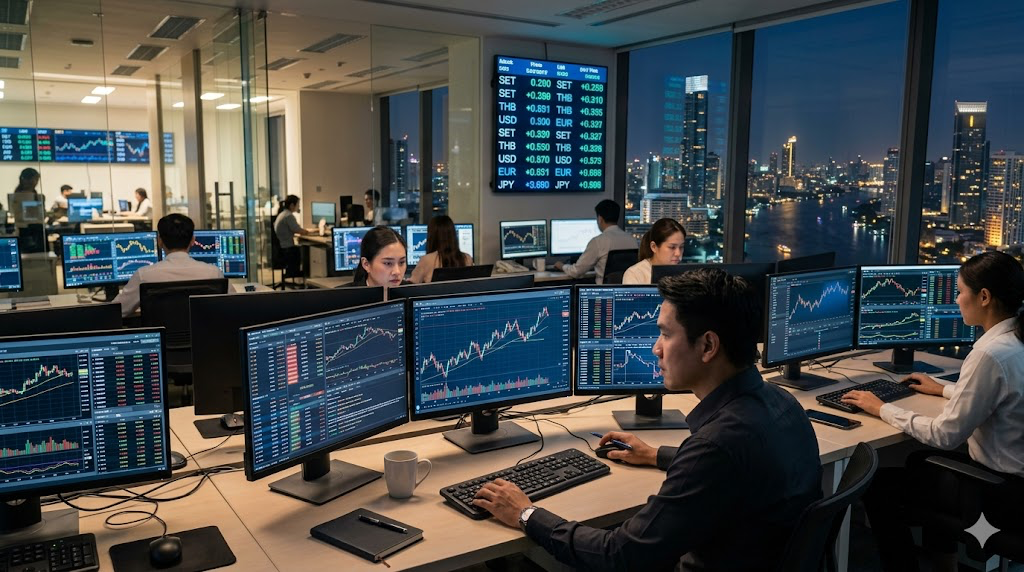
With such an overwhelming number of brokers and conflicting reviews, trying to choose the right Forex trading platform in Thailand can feel daunting. You have many options, but often little clarity on which ones are legal or safe. To help reduce confusion, we have taken these factors into account and ranked five platforms based on what Thai traders actually want from a broker: safety, deposit options, speed, fees, and mobile experience.
Is Forex Trading Legal in Thailand?
Forex trading in Thailand sits in a grey area in terms of regulation for international brokers. The Bank of Thailand and the Securities and Exchange Commission do not directly license international retail or online brokerages. As a result, most Thai traders use brokers regulated outside Thailand by other regulatory authorities. This is a common practice used by millions of traders globally.
Since there are no widely accessible local retail Forex brokers in Thailand, traders typically select brokers regulated by reputable authorities outside the country.
What Makes a Forex Trading Platform Safe?
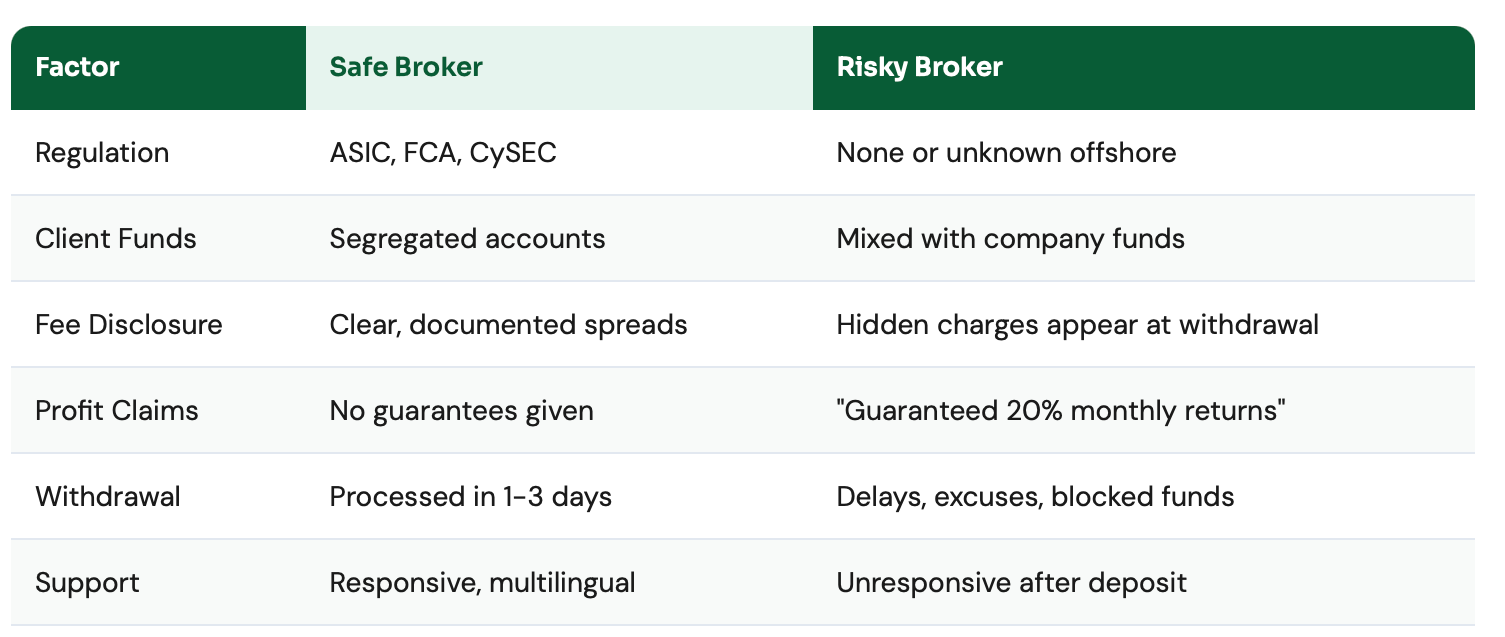
When evaluating a platform for Forex trading safety, there are three key criteria to consider at all times: regulatory body, segregated client funds, and transparency.
A broker should be regulated by a reputable authority such as the Australian Securities and Investments Commission, the Financial Conduct Authority, or CySEC in Cyprus, and must comply with capital requirements and oversight standards. This ensures the broker operates under rules designed to reduce the risk of misconduct or misuse of client funds.
In addition, reputable brokers use segregated client accounts to keep client funds separate from company operational funds. This separation helps protect client capital in the event of insolvency or business failure.
Finally, trustworthy brokers maintain transparency regarding all fees and withdrawal procedures and do not offer guaranteed returns on investments.
Red flags that signal a scam
Warning signs include fixed monthly profit guarantees, the absence of a regulatory license displayed on the website, repeated delays or excuses regarding withdrawal requests, and aggressive pressure to deposit additional funds immediately. All of these can be indicators of a potentially fraudulent business.
Depositing and Withdrawing Money in Thailand: Fastest Methods Compared
Thai traders often see money transfer reliability between banks and brokers as one of their biggest concerns when trading online. No matter how many online reviews you read about brokers, if you cannot deposit and withdraw funds smoothly, then everything else becomes irrelevant.
Popular deposit methods
Depositing is usually straightforward for Thai traders; however, there are several common payment methods offered by brokers.
Three of the most popular deposit options for Thai traders include:
-
Bank transfers (standard or instant)
-
PromptPay (QR code transfers)
-
E-wallets (Skrill, Neteller)
Bank transfers are the most common method for Thai traders to fund their accounts. A standard bank transfer typically takes between 1–3 hours to post, depending on timing and bank processing cycles. In many cases, deposits are reflected within a few hours of being made to the trading account. For faster transfers, traders can use PromptPay QR code payments, which are often processed in under 30 minutes.
For traders who prefer not to share direct bank details with their broker, e-wallets are another option, although they may involve small currency conversion fees.
Typical withdrawal flow
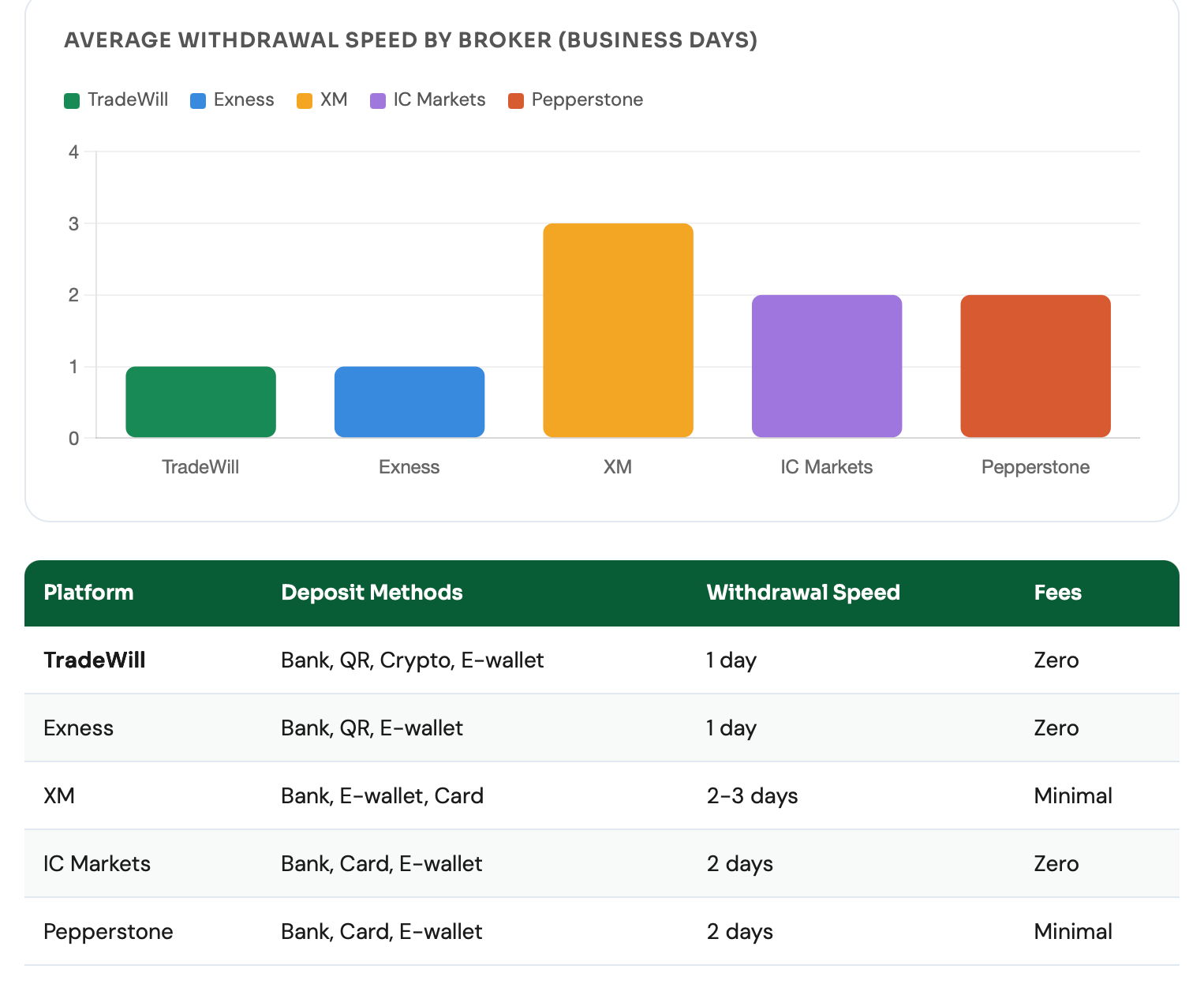
For withdrawals, brokers typically process requests within 24 hours after submission, subject to internal compliance checks. After verification, funds are usually sent and received within 1–3 business days. Overall, the full withdrawal cycle from request to receipt generally takes around 1–5 days, depending on the broker, payment method, and bank processing times.
Fast and consistent withdrawals are often seen as a key indicator of broker reliability. One major red flag is when a broker repeatedly delays or avoids processing withdrawal requests promptly.
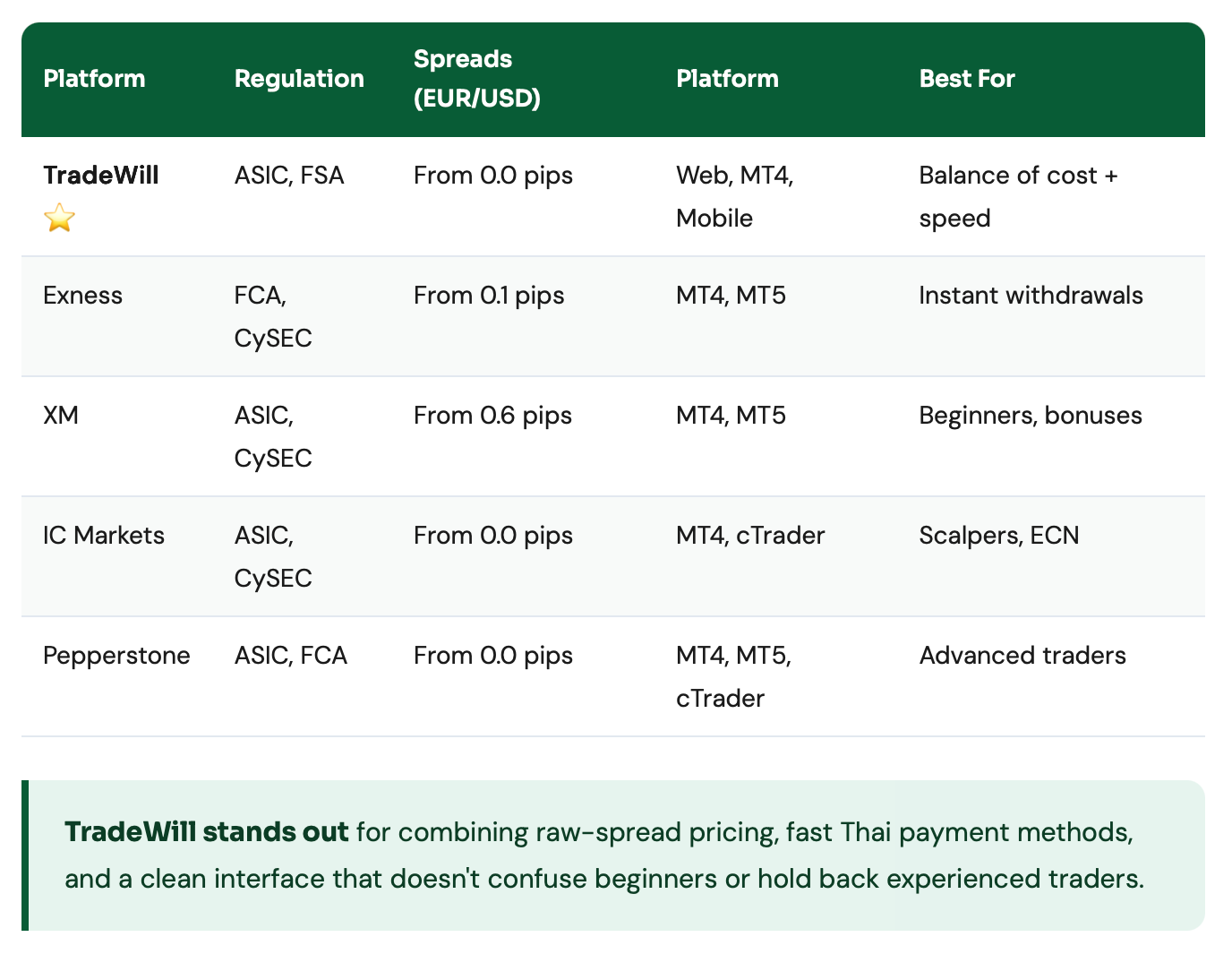
Top 5 Forex Trading Platforms in Thailand: 2026 Comparison
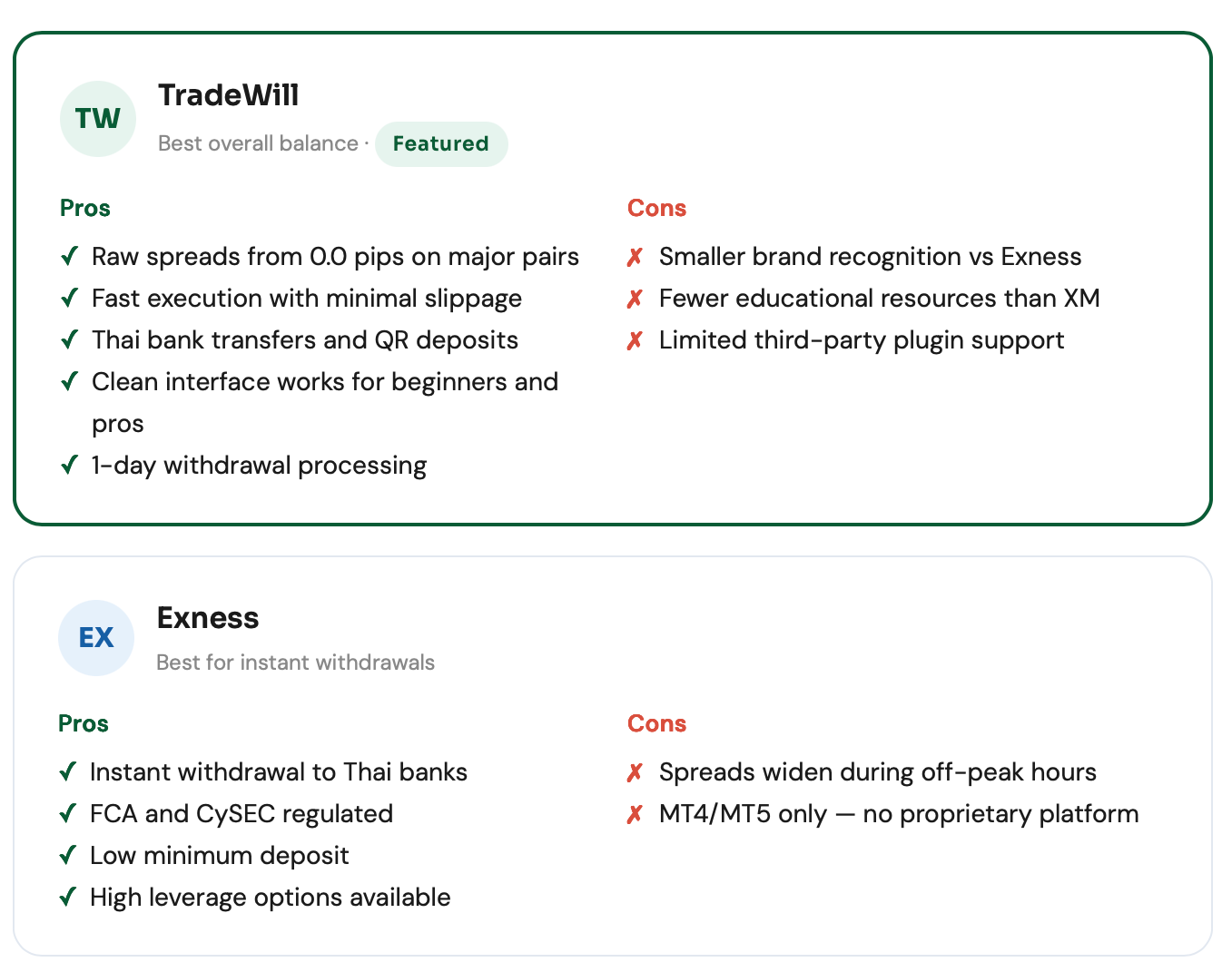
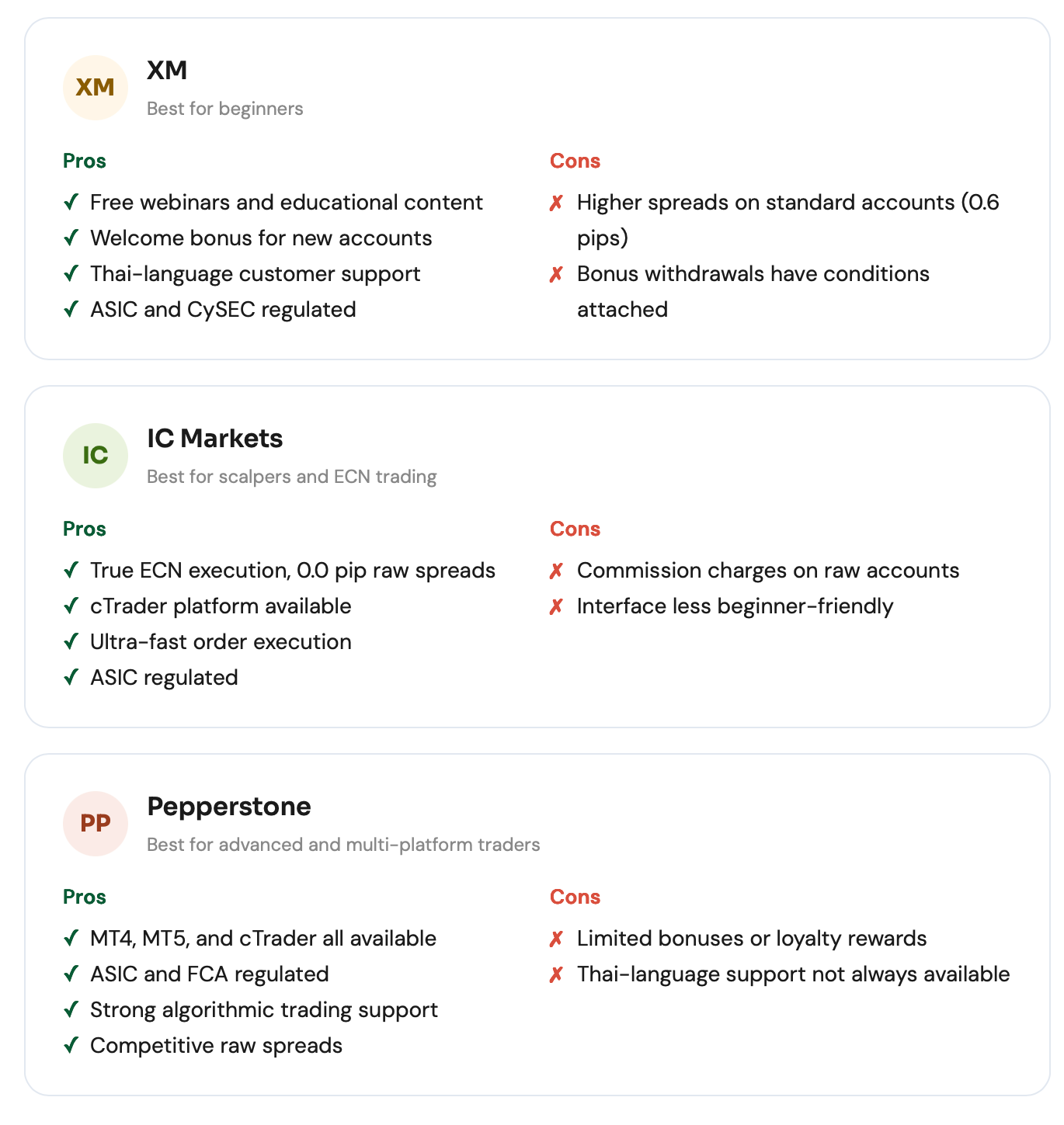
Pros and Cons of Each Platform: The Honest Review
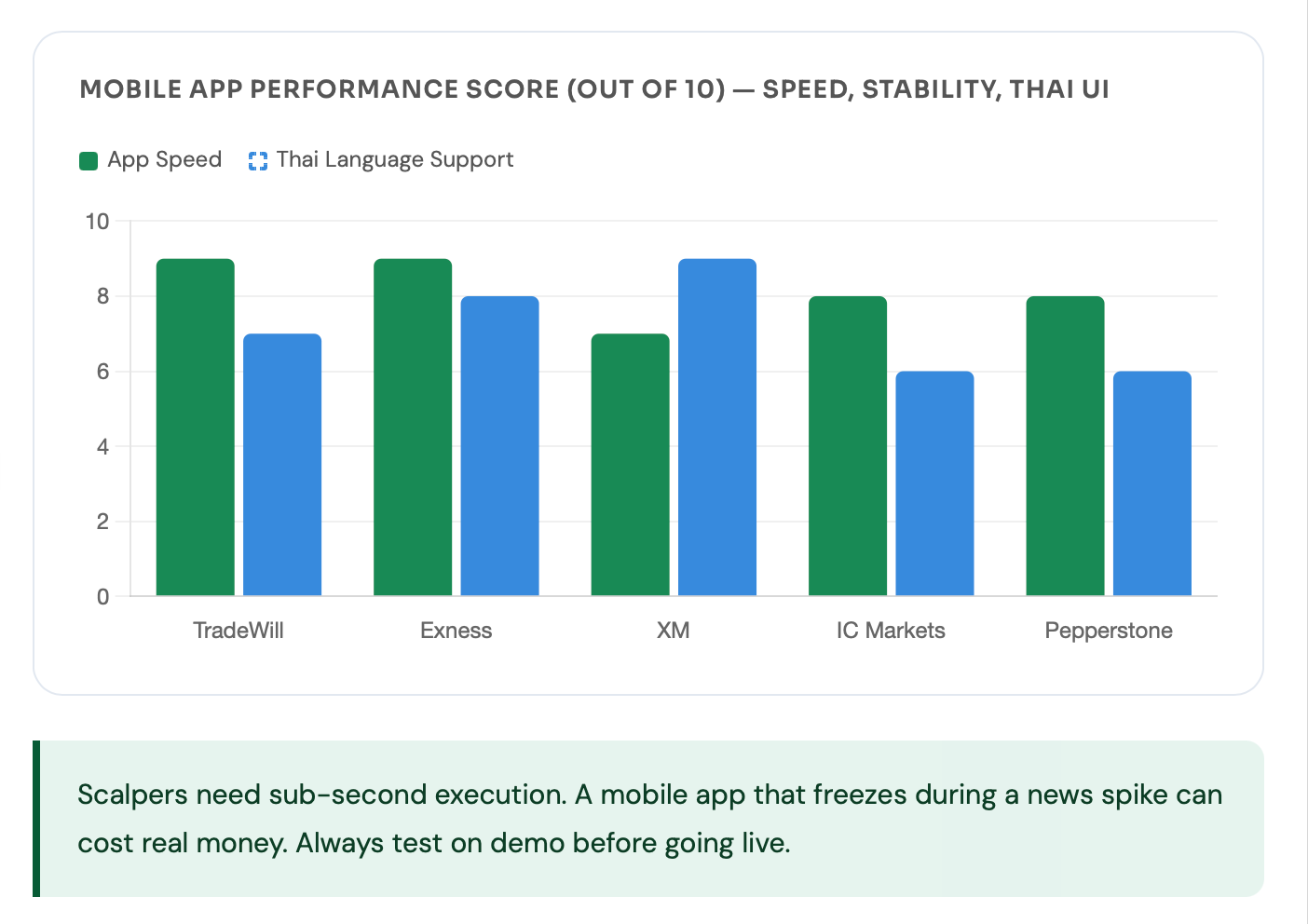
The Best Forex Trading Apps in Thailand: Mobile Performance
The majority of Forex traders in Thailand now trade through their smartphones rather than desktop computers. Just as execution speed on a desktop platform is critical for scalping or reacting quickly to economic news, execution speed on a mobile device is equally important.
Although MT4 continues to remain one of the most widely used Forex trading applications, its mobile interface is now visibly outdated. Many newer proprietary trading platforms offered by brokers such as TradeWill and Exness load significantly faster and provide cleaner chart interfaces designed specifically for mobile-first traders rather than traditional desktop users.
Both XM and Exness also provide Thai-language support on their trading platforms, which has contributed to their popularity among local users.
In Thailand, particularly in Bangkok, the quality of telecommunications infrastructure, including 4G connectivity and fibre internet, generally means that local latency is not a major issue for traders. Instead, one of the more important factors affecting execution speed is the physical location of the broker’s trading servers, since server distance can directly influence how quickly trades are processed and executed.
Platform Cost Comparison: Full Breakdown of Costs
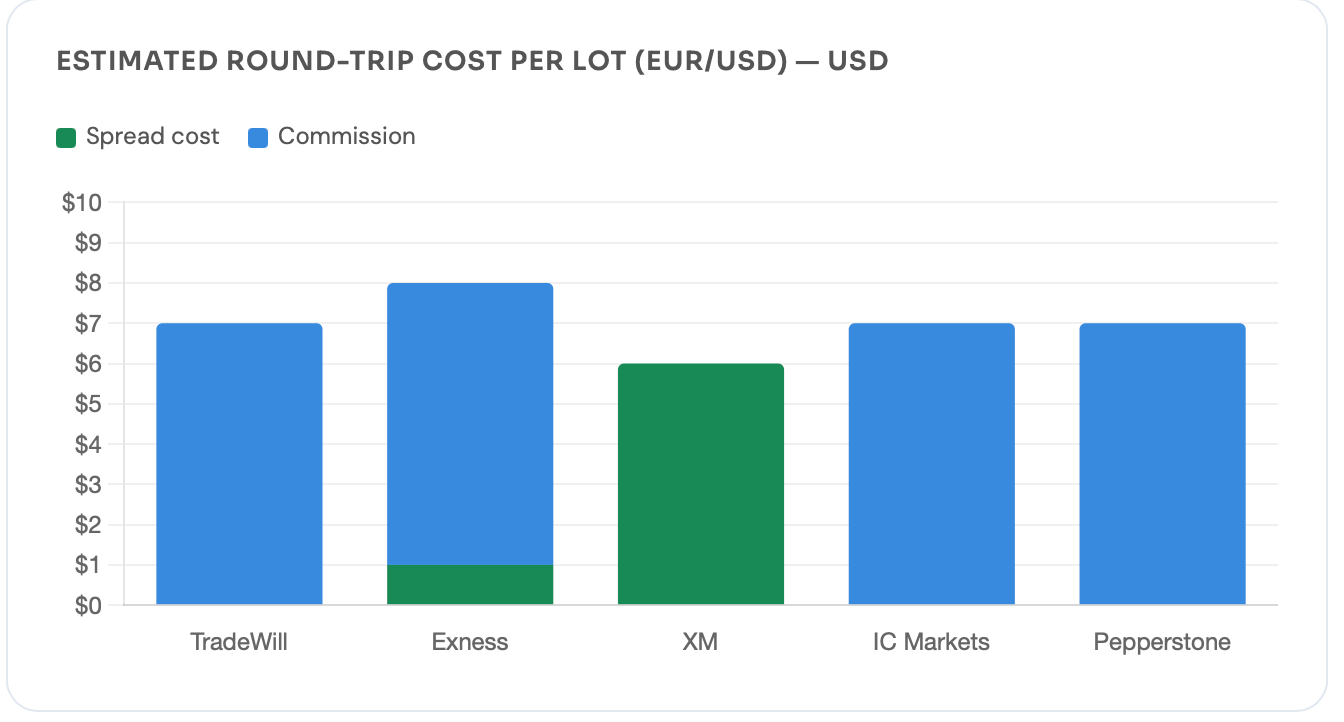
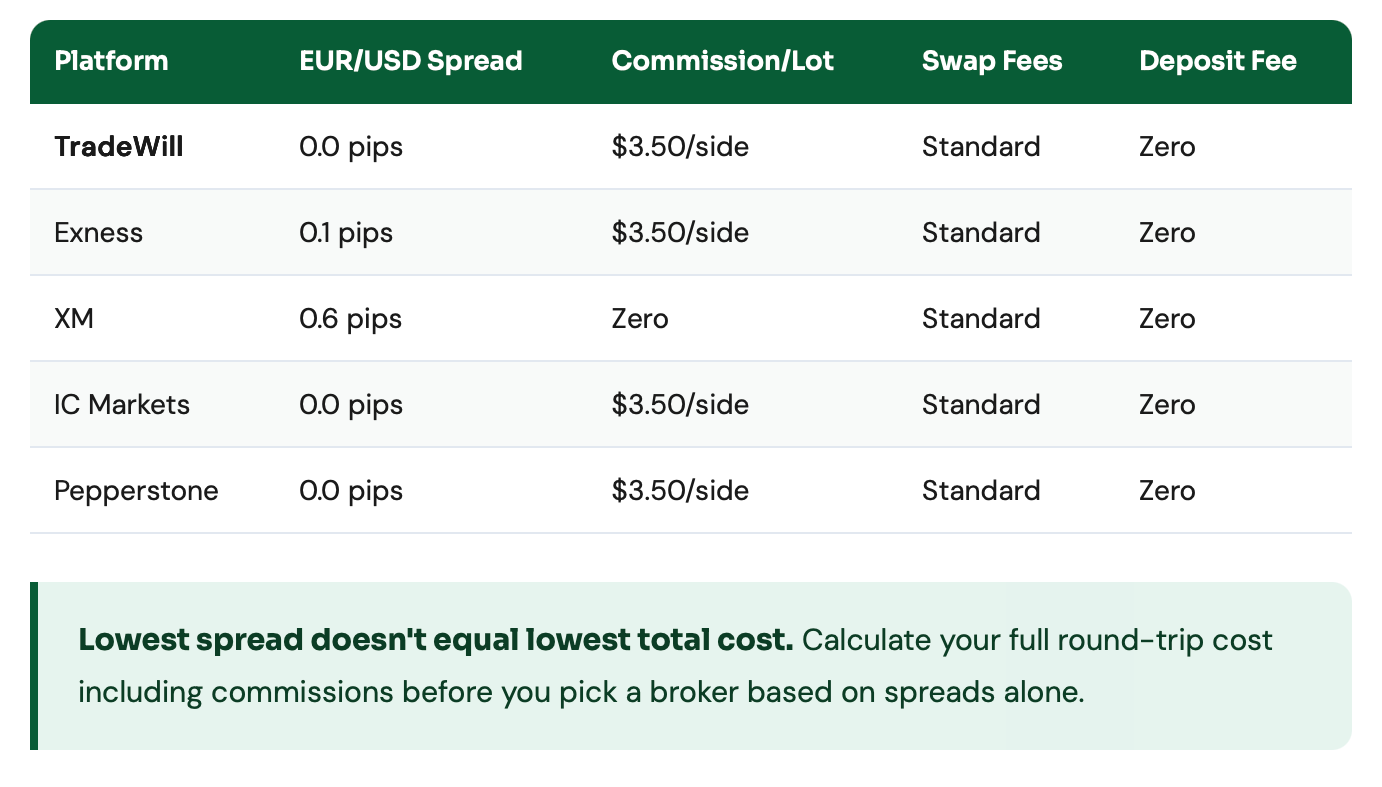
The spread is the primary figure most traders focus on when comparing Forex brokers. However, the true cost of trading also includes commissions per lot traded, swap fees for overnight positions, and any charges associated with depositing or withdrawing funds. Evaluating the total cost of Trading therefore requires examining all of these components together rather than looking at spreads alone.
For example, if you are trading one standard lot (100,000 units) of EUR/USD, and TradeWill offers a raw spread of 0.0 pips plus a commission of $3.50 per side of the trade ($7 total round trip), while XM offers a standard account with a spread of 0.6 pips and no separate commission (approximately $6 total cost), then at first glance the pricing structures appear relatively similar. However, once high-frequency trading volume is factored in, even a $1 difference per round trip can accumulate rapidly over hundreds or thousands of trades.
Swap fees are another important component of trading costs. When a position remains open overnight for more than twenty-four hours, brokers may apply swap charges based on the interest rate differential of the currency pair being traded. Average swap costs generally range between 1 and 3 pips depending on the specific pair and market conditions.
To accommodate traders who wish to avoid overnight interest charges, many brokers, including XM and Exness, provide Islamic or Swap-Free account options that eliminate swap fees on overnight positions under specific account conditions.
Absolute Beginners or Experienced Professionals: What Type of Platform Suits Your Skill Level?
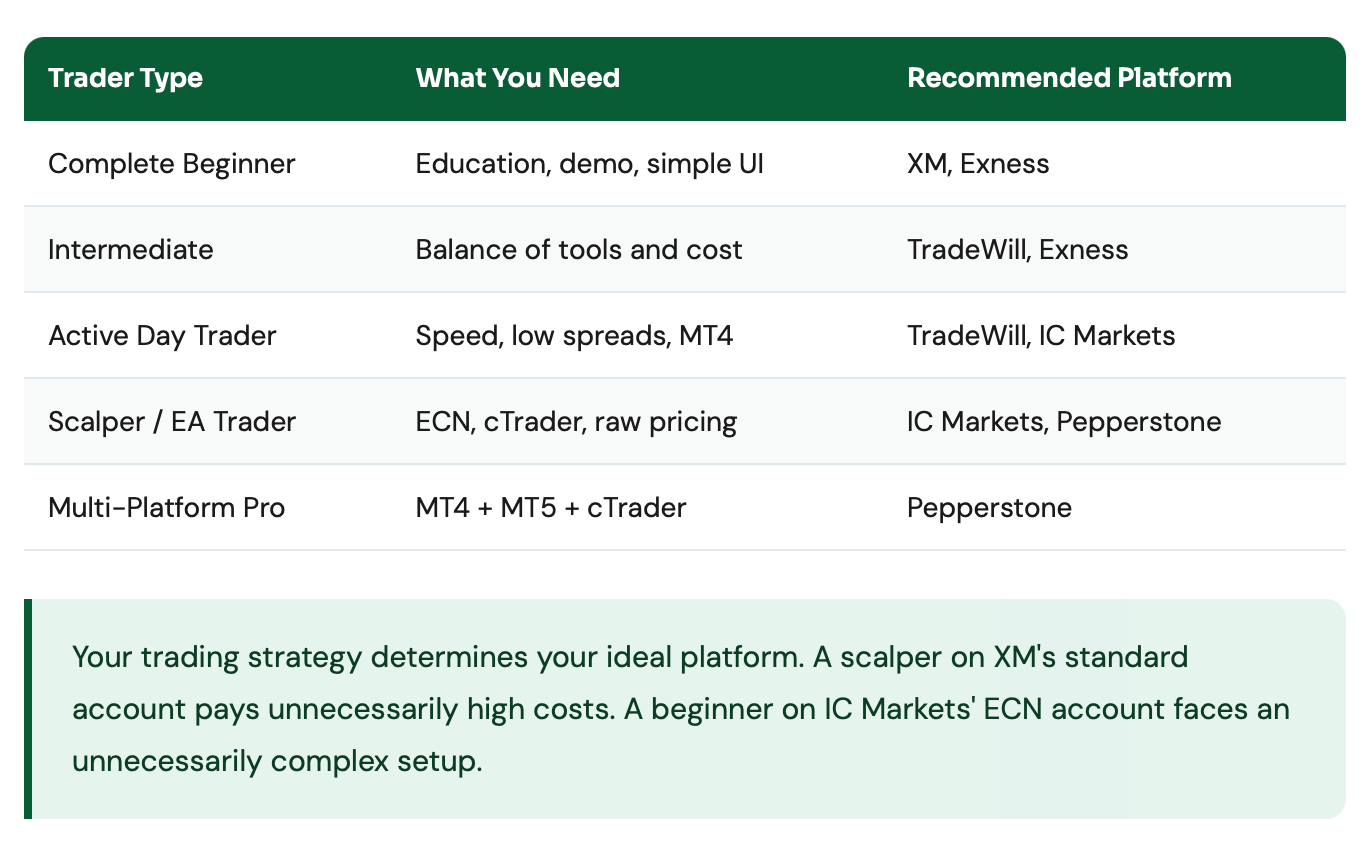
A beginner trader generally requires a platform that guides the entire trading process. This includes a straightforward onboarding experience, access to demo accounts, educational resources that explain market fundamentals, and customer support available in Thai. Platforms designed for newer traders typically prioritise simplicity, ease of navigation, and educational assistance over advanced technical functionality.
By contrast, experienced professional traders are usually less concerned with onboarding support and more focused on execution quality and trading efficiency. Their priorities typically include fast order execution, low transaction costs, deep liquidity access, stable platform performance during volatile market conditions, and the availability of advanced order types and analytical tools that support complex trading strategies.
Final Verdict: Which Forex Trading Platform Is the Winner in Thailand?
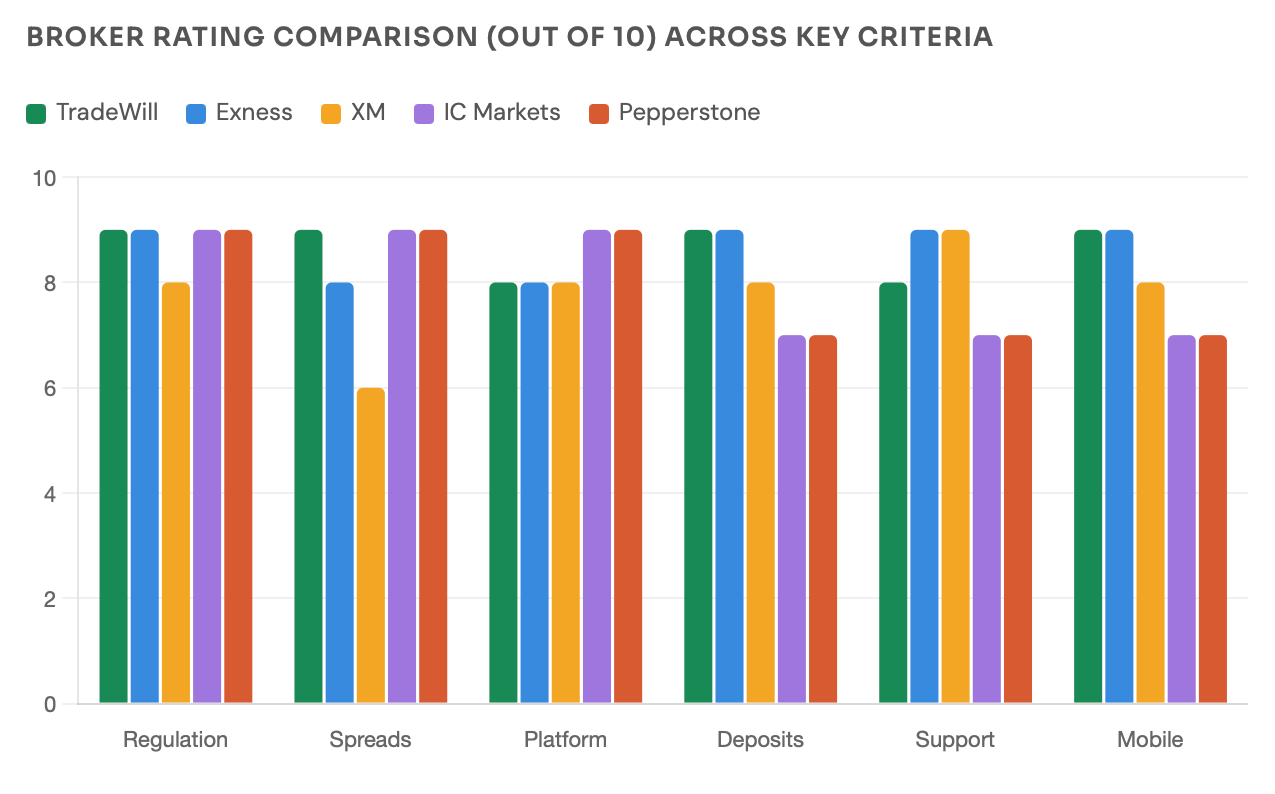
TradeWill earns the position of best overall Forex trading platform in Thailand for 2026 due to its combination of raw spread pricing, fast execution speeds, Thai-friendly deposit methods, and a user interface suitable for both beginners and experienced traders.
Exness stands out for its exceptionally fast withdrawal processing times, making it particularly attractive for active traders who prioritise rapid access to funds.
XM remains one of the safest and most beginner-friendly platform choices, especially for traders who value educational resources, guided onboarding, and Thai-language support as part of the overall trading experience.
IC Markets is widely regarded as one of the strongest options for scalpers and traders using Expert Advisors (EAs), primarily because of its high-quality ECN infrastructure and low-latency execution environment.
Pepperstone is particularly well suited for multi-platform professional traders who frequently switch between MT4, MT5, and cTrader as part of their workflow.
Frequently Asked Questions
What is the best Forex trading platform in Thailand?
TradeWill ranks as one of the strongest overall options for Thai traders in 2026 because it combines low spreads, fast Thai payment support, and a clean trading interface suitable for multiple experience levels. XM and Exness are often better suited for complete beginners because of their educational support, simpler onboarding, and Thai-language accessibility.
Is Forex trading safe in Thailand?
Forex trading in Thailand is legal and widely practised, although international Forex brokers generally operate under foreign regulatory jurisdictions rather than direct Thai oversight. Choosing brokers regulated by authorities such as the Australian Securities and Investments Commission (ASIC), the Financial Conduct Authority (FCA), or the Cyprus Securities and Exchange Commission (CySEC) provides stronger investor protections regardless of where the trader resides.
Which broker has the lowest fees for Thai traders?
TradeWill, IC Markets, and Pepperstone all provide raw spread accounts starting from 0.0 pips. For many active traders, the total round-trip trading cost on one standard lot is typically around $7, making these platforms among the lowest-cost options available. XM generally charges no direct commission, but its wider spreads tend to suit lower-volume traders more effectively.
How fast can I withdraw money from a Forex broker in Thailand?
TradeWill and Exness typically process withdrawals within one business day. XM often requires between two and three business days. Once processed by the broker, most Thai bank transfers and PromptPay withdrawals usually arrive within the same business day or the following business day.
Do I need to pay tax on Forex profits in Thailand?
Tax obligations relating to Forex trading profits in Thailand depend upon factors such as residency status and how the income is classified under Thai tax law. Traders should consult a qualified Thai tax adviser for guidance specific to their own circumstances. This content does not constitute tax advice.
Ultimately, the best Forex trading platform in Thailand depends on your individual requirements, particularly your trading strategy, available capital, execution preferences, and trading frequency.
Visit TradeWill. It offers Thai bank deposits, zero withdrawal fees, and raw spreads from 0.0 pips. Set up your demo in under 5 minutes and trade with real market conditions before you risk a single baht.
Disclaimer: The content of the blog does not represent any position of Trade W, does not serve as any trading-related decision advice, and does not endorse any third-party.