
 Trade W

In many areas of finance, including Forex trading forums, YouTube comments, and after-hours trading groups, there has always been a debate concerning whether Forex traders can become wealthy. The answer is not as simple as you might think. While there are many Forex traders who have achieved significant financial success through trading, the majority of Forex traders have lost all of their trading capital, something that is rarely discussed, including by Forex brokers themselves.
If you were to review different articles about Forex trading strategies, you would notice a significant difference between short-term forex trading strategies designed to generate profits in the near term and strategies intended to build long-term investing vs. day trading. In general, making one month's worth of profit from Forex trading does not amount to creating a long-term income. The only way to achieve that is through consistently generating profits year after year while protecting your account from severe market losses.
This article will define what level of income is realistically achievable through Forex trading, what distribution of returns traders can reasonably expect, and what type of income may allow them to trade Forex sustainably over the long term.
How Much Money Can Forex Traders Realistically Make?
In many areas of finance, including Forex trading forums, YouTube comments, and after-hours trading groups, there has always been a debate concerning whether Forex traders can become wealthy. The answer is not as simple as you might think. While there are many Forex traders who have achieved significant financial success through trading, the majority of Forex traders have lost all of their trading capital, something that is rarely discussed, including by Forex brokers themselves.
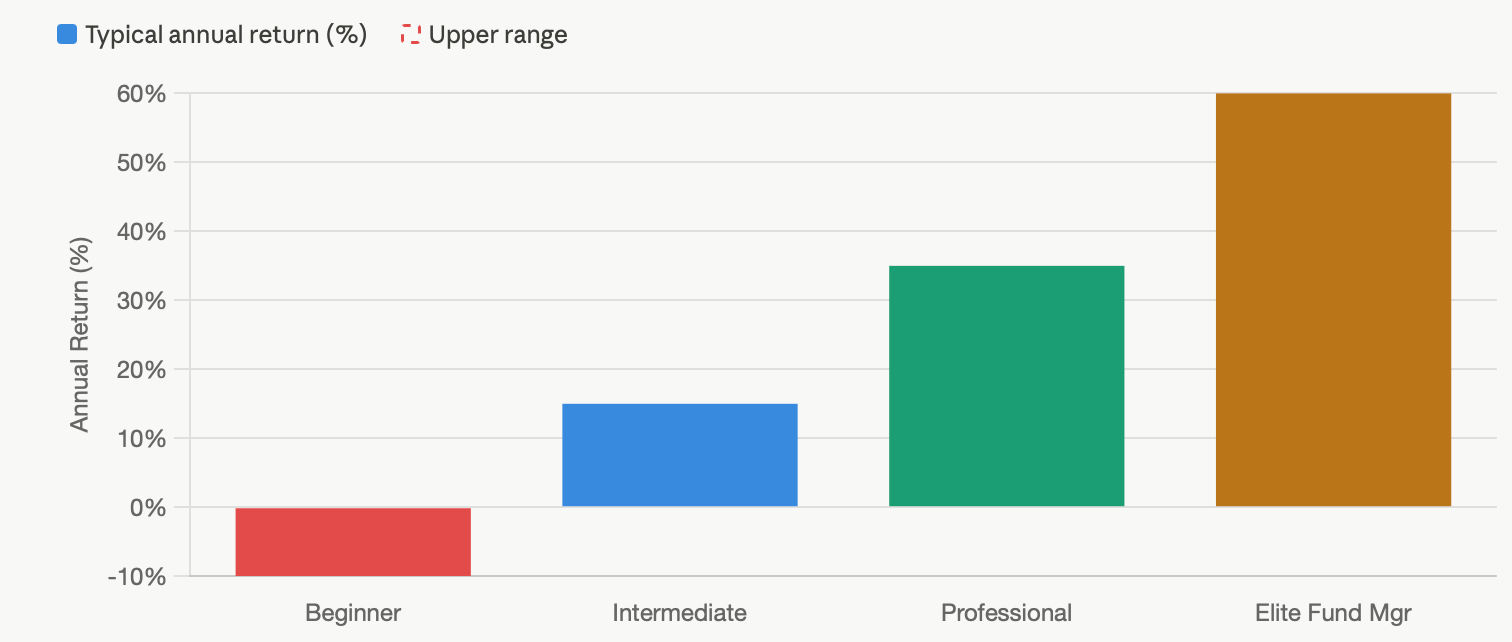
If you were to review different articles about Forex trading strategies, you would notice a significant difference between short-term Forex trading strategies designed to generate profits in the near term and strategies intended to build substantial wealth over the long term. In general, making one month's worth of profit from Forex trading does not amount to creating a long-term income. The only way to achieve that is through consistently generating profits year after year while protecting your account from severe market losses.
This article will define what level of income is realistically achievable through Forex trading, what distribution of returns traders can reasonably expect, and what type of income may allow them to trade Forex sustainably over the long term.
Why Most Forex Traders Never Get Rich
The statistics regarding Forex trading success are not particularly encouraging. Data provided by several Forex brokers suggests that approximately 70 to 80 percent of retail Forex traders lose money on a regular basis. The reason for this is not that the market is rigged, but rather that it is far easier to fall into behavioral patterns that lead to consistent losses than it is to develop and maintain the discipline required for consistent profitability. Having a solid understanding of forex risk management and how bid-ask spreads work is foundational to successful trading; however, many traders overlook these basics.
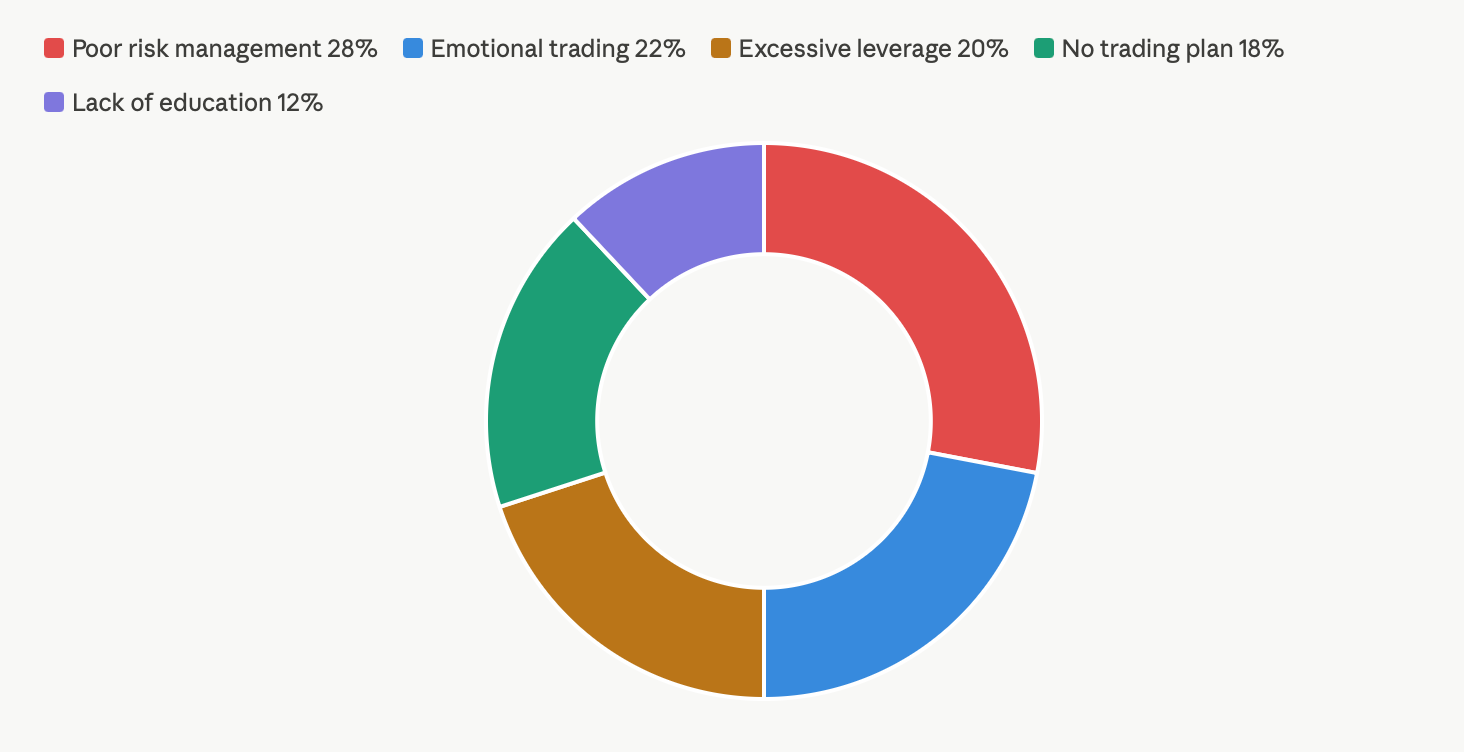
Poor risk management is the primary reason why most Forex traders lose money. Most traders do not fail because their market analysis is worse than another trader's, but because their analysis is incorrect and they have no effective limits on how much that mistake can cost them. Emotional trading is another major contributor to losing Forex accounts. Holding onto a losing trade out of fear of closing it and admitting an analytical mistake often results in far greater losses than exiting the trade quickly and preserving both capital and mental discipline. Likewise, closing a profitable trade solely to lock in gains, rather than managing it intelligently with tools such as a trailing stop, may significantly reduce long-term profitability if emotions are allowed to dictate decision-making.
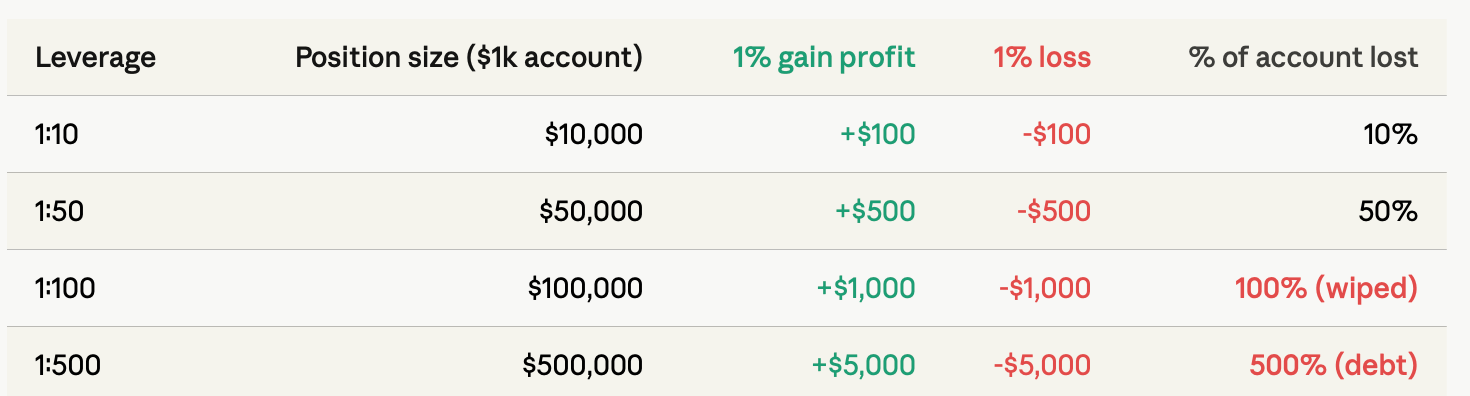
One of the fastest ways to destroy a trading account is through excessive leverage. For example, using leverage of 1:500 means that a market move of only 0.2 percent against your position can effectively eliminate your entire margin allocation. This is not a disciplined trading strategy; it is speculation with the odds heavily stacked against the trader.
The Biggest Forex Myth: Turning $100 Into $1 Million Quickly
The social media environment has created an entirely new economy based on this false idea. Pictures of people posing in front of Lamborghinis, screenshots of large winning trades, and courses claiming to teach the system for generating 1,000 per cent returns on your investment are common examples.
To grow $100 into $1,000,000, you would need to multiply your account by 10,000 times. If you were able to consistently achieve a 50 per cent annual rate of return, a performance that exceeds that of nearly all professional fund managers, it would still take approximately 28 years to accomplish this goal. To achieve the same result within a five-year period, you would need to generate approximately 730 per cent returns each year. Such returns would require extreme levels of leverage, and even a short period of adverse performance could severely erode your capital base.
Traders who claim to generate these types of returns over long periods are often not managing risk effectively. Instead, they may be taking excessive risks and only posting images of their winning trades without disclosing the number or magnitude of their losing trades.
The process of compounding and long-term growth is far more beneficial than attempting to find a single life-changing trade. Moreover, compounding even modest returns over time can produce significantly greater wealth than most traders realise or take into consideration.
Forex Leverage: The Tool That Cuts Both Ways
Forex's appeal comes largely from leverage. With just $1,000 in your trading account, if you use a broker that allows 100-to-1 leverage, you can effectively control $100,000 worth of currency. What does that mean in terms of risk? As the table illustrates, the leverage used to generate profits does not create a path to getting rich quickly. Instead, it magnifies both profits and losses.
Retail traders often use much higher levels of leverage than institutional traders and fund managers. For example, hedge funds typically do not use leverage greater than 5-to-1. More commonly, they use 2-to-1, 3-to-1, or even lower levels of leverage. The primary reason these institutional traders and hedge fund managers generate consistent returns over time is not that they use aggressive leverage, but because they protect their capital with the same discipline and commitment that they apply to generating profits.
If you trade derivatives and leveraged products, it is important to understand margin requirements and how to calculate proper position sizes before increasing your level of leverage.
Can You Make a Full-Time Income From Forex Trading?
Forex trading can provide a substantial income, but it generally requires significant trading capital and a realistic understanding of risk.
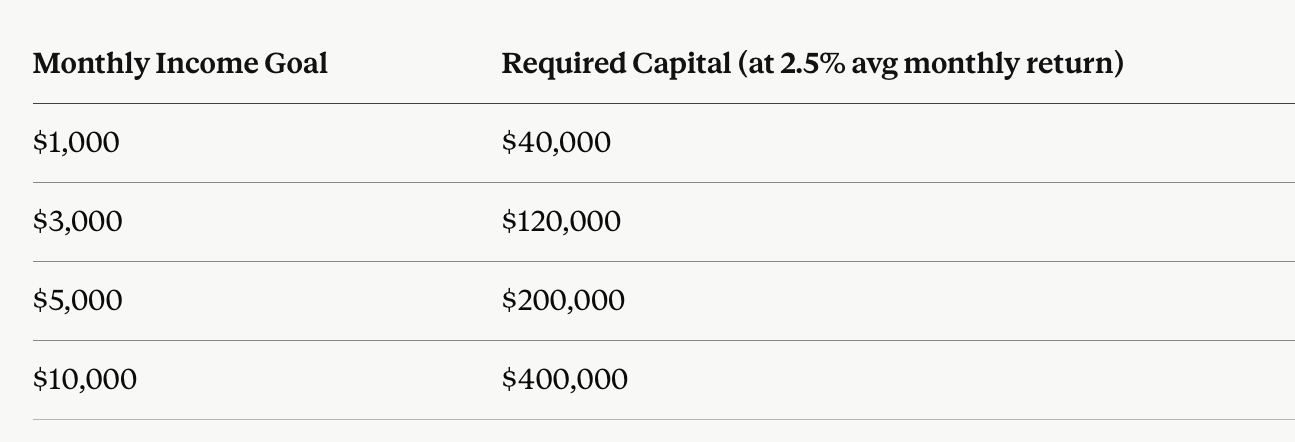
If you require a full-time income from trading, you will need substantial capital. For example, if your monthly living expenses are $3,000 and your target return is 2 to 3 percent per month, you would need approximately $100,000 to $150,000 in trading capital to generate that level of income without depleting your principal investment. This estimate does not account for losing months, taxes, transaction costs, or the emotional pressure associated with trading under financial stress.
Most traders who successfully transition to full-time trading spend between two and four years developing their skills and building a verified trading record before making that transition. In addition, many maintain their regular employment long enough to grow their trading accounts without relying on trading profits to cover living expenses. Withdrawing profits too early can limit account growth and reduce the long-term benefits of compounding.
What Wealthy Traders Actually Do Differently
In the world of Forex trading, successful traders are often practicing common techniques rather than exotic approaches. They apply the disciplines that most retail traders know about but struggle to follow consistently. Successful traders such as George Soros, Stanley Druckenmiller, and Paul Tudor Jones share several common traits: sizing trades according to risk rather than conviction, waiting patiently for high-probability trade opportunities, cutting losses quickly without ego, and continuously refining their strategies based on performance.
George Soros once said that he does not care whether he is right or wrong; instead, he cares about how much money he makes when he is right compared with how much money he loses when he is wrong. This asymmetry between average wins and average losses is one of the key differences between successful traders who build wealth over time and unsuccessful traders who may achieve periods of profitability but eventually exhaust their capital.
Although maintaining a trading journal can be tedious and lacks excitement, it is one of the most effective ways to transform trading from a process driven by emotions into one driven by data. A professional review of your monthly trading activity should include metrics such as your win rate, average win compared with average loss, maximum drawdown, and the market conditions in which your strategy performed best. Without this information, you risk losing sight of objective facts and attributing results to skill when they may simply be the product of luck.
Forex vs. Other Wealth-Building Paths
Forex is not the only option for building wealth through investing and, for many people, should not be the primary method for doing so. Stocks, ETFs, bonds, and cryptocurrencies all offer different levels of risk and reward. A comprehensive financial strategy takes into account how trading fits alongside other forms of long-term investing rather than attempting to replace them.
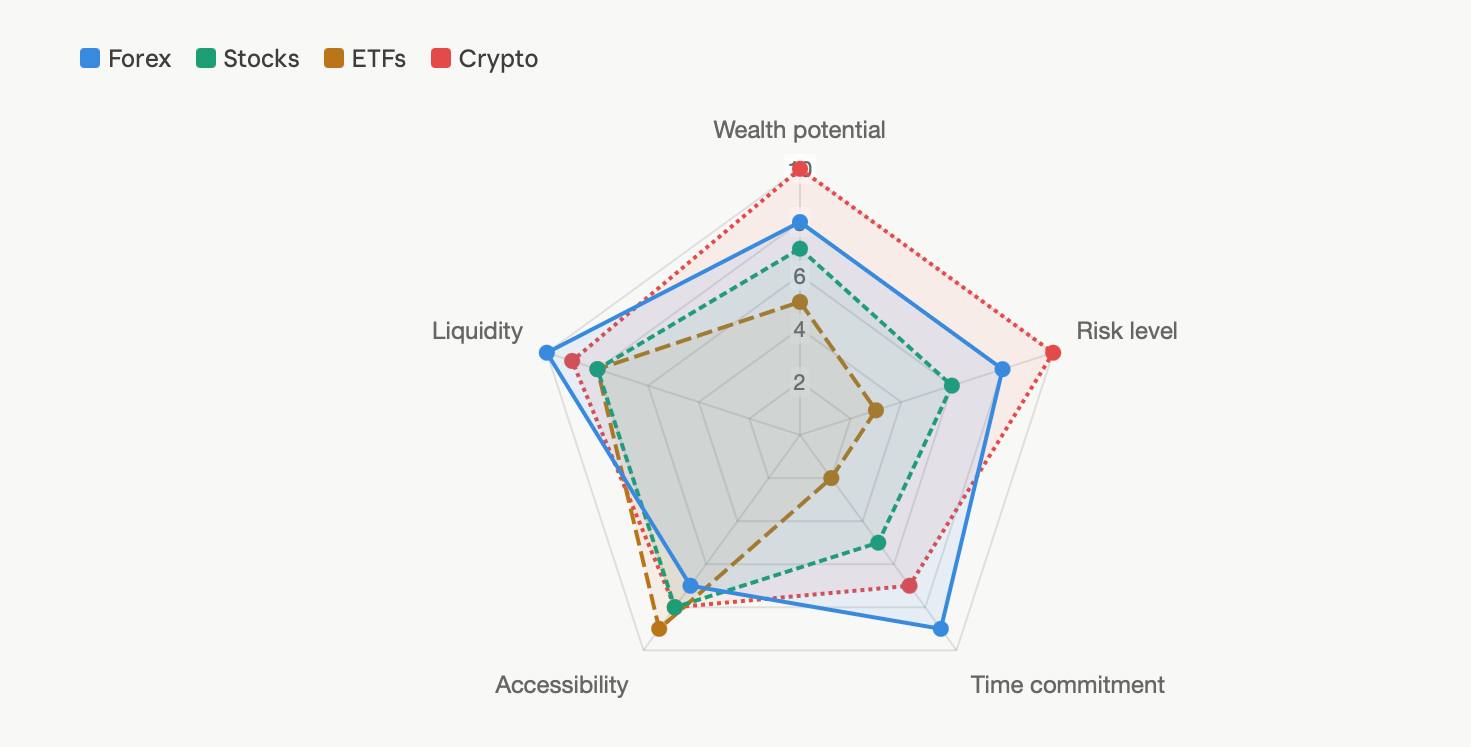
Forex offers significant profit potential and liquidity, but that potential comes with an equally significant level of risk and requires a substantial time commitment if you want to achieve consistent success. By contrast, ETFs generally offer lower return potential than Forex trading, but they also involve lower risk and require far less ongoing management once an investment allocation has been established.
Learning quantitative easing and how central bank policy shapes markets can help you become a better stock and ETF investor, not just a better Forex trader, because these macroeconomic trends influence all asset classes. There is no need for trading and investing to be in direct competition. Many experienced traders maintain a long-term core investment portfolio while managing their trading activities separately, treating trading as its own business with distinct rules, capital allocations, and performance standards.
The Real Formula for Building Wealth Through Forex
The formula for creating wealth through foreign exchange is straightforward if you can filter out the noise created by people in the industry. The reason most people do not build wealth through foreign exchange is that they either lack the skill required to execute trades successfully or they trade without proper money management and risk management. To build wealth through foreign exchange trading, you need four variables: capital, skill, risk management, and time.
To understand how these variables depend on one another, think of them as multipliers within the same equation. If you trade with poor risk management, you will not only limit your profits but also risk blowing up your account, effectively destroying the entire wealth-building process. A simple way to think about it is:
Wealth = Capital × Skill × Risk Management × Time
With inadequate capital, even a trader with exceptional skill and patience may generate returns that are too small to create meaningful wealth. Likewise, without sufficient time for compounding to occur, capital will not grow significantly.
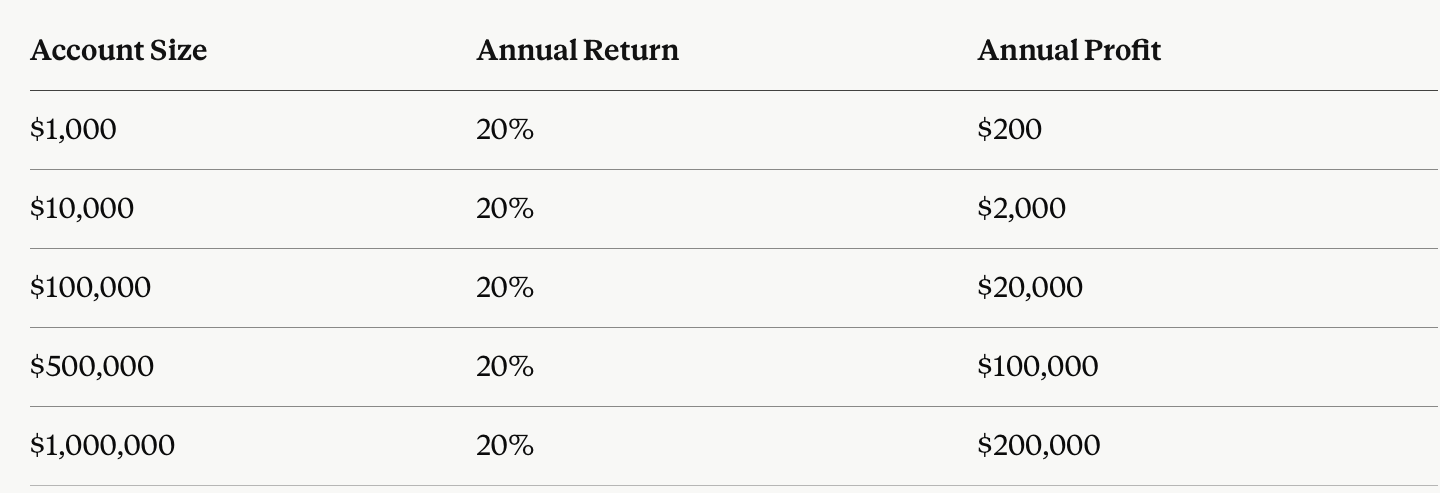
Consider the mathematics of compounding. A trader earning a consistent 1.5 per cent per month on a $50,000 account may not view that result as particularly exciting. However, over five years, the account would grow to approximately $122,000 without any additional contributions. After ten years, the account would reach approximately $298,000. While these figures may not represent extraordinary wealth, they demonstrate the power of compounding and the gradual development of a wealth-building engine. The key requirement is preserving capital and avoiding catastrophic losses.
Understanding volume and momentum signals and reading price action correctly contribute to that skill variable, and both are worth studying as part of building a repeatable process. Equally, knowing how to avoid trading signals scams keeps your capital protected from the many bad actors who prey on traders still developing their skills.
How Long Does It Take to Become a Profitable Forex Trader?
If you are looking for a shortcut, you are likely to be disappointed. Most traders who achieve durable, consistent profitability require between two and four years to reach that level.
The first year is typically spent learning how markets function, understanding market structure, becoming familiar with candlestick patterns, experiencing the consequences of excessive leverage, and discovering what type of trader you are best suited to become. During this stage, mistakes are common and often serve as valuable learning experiences.
In the second year, the focus shifts toward discipline. Traders begin to develop emotional control and learn not to let a series of losing trades trigger panic or poor decision-making. They start following trading plans more consistently and develop a better understanding of risk management.
By the third year and beyond, traders who have developed a genuine edge often begin scaling their position sizes and increasing the value of their accounts. At this stage, the emphasis is less on learning basic concepts and more on executing a proven process consistently.
Most traders who attempt to shortcut this process through overtrading, chasing quick profits, or trading live capital before adequately practising in a demo environment often incur substantial losses. In many cases, these losses set them back further than if they had followed a more patient and structured learning process from the beginning.
10 Steps That Actually Move the Needle
-
Before executing your first live trade, familiarize yourself with how the Forex market works, what demand zones are, and how institutional order flow operates.
-
Risk management is not an afterthought but a core component of any trading system.
-
Use a demo account until you can consistently generate profits on paper for three consecutive months.
-
Write down your trading plan, including entry rules, exit rules, position-sizing formulas, and the maximum amount of money you are willing to lose in a single day.
-
Maintain a trading journal and review it weekly. Do not look at your journal only after large gains or losses.
-
Learn to recognize when you are trading emotionally, and make a habit of stepping away from your trading station until you can refocus. Develop rules that require you to stop trading automatically whenever you experience emotional or irrational behavior while placing orders.
-
Choose one or two currency pairs and concentrate your efforts on them until you understand their behavior well enough to trade multiple currency pairs effectively.
-
Use smaller position sizes than you anticipate needing. After successfully executing 50 trades, consider gradually increasing your position sizes.
-
Evaluate your trading performance at the end of each month by reviewing metrics such as win rate, average winning trade, average losing trade, and maximum drawdown.
-
Continue learning through macroeconomic news releases, trade setups that align with your technical patterns like trendlines, such as trend lines, and regular reviews of your risk management policies as your trading capital grows.
Final Verdict: Can Forex Trading Make You Rich?
The Forex market can generate significant wealth, but the experience of achieving that wealth is usually vastly different from the way it is portrayed on social media. Traders who ultimately achieve success in the Forex market typically acquire a significant amount of capital, develop real trading skills over many years, practice risk management with a level of discipline that most others consider boring, and allow enough time for compounding to have a meaningful effect. Most traders who do not achieve success fail in one or more of these four variables and, by far, most commonly fail in either risk management or time horizon.
The Forex market is not a shortcut to riches. It rewards skill, punishes emotion-driven trading decisions, and provides rapid compounding of both winning and losing trades, often at a pace that the average trader is not prepared to handle. If a trader approaches the Forex market as a business, with defined rules and performance metrics, it can be one of the most liquid and accessible markets in the world to trade. Conversely, if a trader approaches the Forex market as a form of gambling, the market will behave accordingly.
Ready to trade with a platform built for serious traders? Tradewill gives you the tools, spreads, and market access to put your strategy to work the way it deserves. Start trading on Tradewill today and trade with the edge that retail brokers rarely offer.
Disclaimer: The content of the blog does not represent any position of Trade W, does not serve as any trading-related decision advice, and does not endorse any third-party.