
 Trade W

Why Inflation Hedge Matters
An inflation hedge isn't some complicated financial mumbo-jumbo. It simply means investing in assets that will either increase in value when inflation rises or simply not decline in value when inflation takes place. Think of an inflation hedge as some level of financial protection against the slow decline of your money's value.
When inflation occurs, every single thing becomes more expensive. Your grocery bill goes up, gas becomes more expensive, and your paycheck clearly doesn't go nearly as far. A traditional savings account or bonds likely are not going to keep up with inflation, meaning you are losing money, in real terms, every month, even if the account balance shows the same. In this case, you can look to implement other inflation-fighting means such as equities, index funds, commodities, and/or real estate.
For professional investors, this is simply means allocating meaningful capital into energy ETFs such as the Vanguard Energy ETF (VDE) or maintaining positions in gold, such as SPDR Gold shares (GLD), when inflation readings are trending in that direction. Historically, one of the reasons these investments typically do well when inflation rises is companies can pass higher costs to consumers, and the commodity itself (i.e. gold) maintains intrinsic value.
However, you do not have to sustain a six-figure investment portfolio to initiate investing. Suppose you are just starting your investment journey and you repeat the suggestion of investing whatever you can save each year. For example, you could save $1,000 a year, and you can invest half in an S&P 500 ETF like SPY and the other half in a gold ETF. After 20 years of compounding your investments, you would likely earn more than inflation from those investments. Your wealth accumulates in real terms, not merely nominally, because your account balance will grow beyond inflation on paper (i.e. it is worth more than it was previously).
The relative notion of inflation and stock returns does not follow a straight line so to speak. Moderate inflation (let's say a range of 2-3% annually) is generally aligned with moderate economic growth and a positive performance of the stock market. The S&P 500 has typically produced annualised rates of return around 10% over lengthy periods, which easily outperforms average inflation. Gold usually outperforms when uncertainty rises or inflation is accelerating.
At the end of the day, there is no single factor that's more important than making sure your assets' value is protected against inflation. An inflation hedge is not just about reaching for returns, it's a principle of protection of wealth. You are not focusing on becoming rich quickly, you are trying to protect the value of the money you run hard to earn today for the tomorrow of the value of money.
What is Inflation Hedge?
Fundamentally, an inflation hedge refers to the practice of investing in assets that are likely to increase in value because of inflation, or, at the very least, preserve purchasing power as prices increase. The key distinction from simply investing is that your focus shifts from maximizing pure returns to preserving what you already have.
Regular investments will pursue growth stocks and yield opportunities. Inflation hedge strategies will seek to focus on the types of assets that have historically held their value when the currency declined. This distinction is important because it applies a fundamental change in mindset. With portfolios, you are playing a defensive game almost as much as you are an offensive game.
The most common tools for creating an inflation hedge include stocks (especially stocks in the energy and materials sector), index funds tracking overall performance of the markets, gold and precious metals, commodities (including oil, agricultural products), and real estate investment trusts (REITs). Each of these serve a slightly different purpose in your defensive strategy.
As an illustration, let's take energy ETFs. As inflation grows over time, oil and gas prices generally rise because they are fundamental to the economy. As energy companies grow revenue, the ETFs holding those companies also rise in value. If you were to have invested in an energy fund while oil prices were rising, you would capture the gains. That is inflation hedge at work.
For a newcomer to investing, gold ETFs provide an easy option to get started. Instead of owning physical gold bars, you can purchase shares of SPDR Gold Shares (GLD) for the price of a single share. Gold has kept its purchasing power for centuries. An ounce of gold could buy a fine men’s suit in ancient Rome, and the same ounce can still buy a quality suit today. That is the power of a true inflation hedge.
Different assets behave differently in inflationary regimes. Stocks can start out being challenged in high-inflation environments because rising production costs can reduce corporate profits, while rising interest rates make bonds more attractive to investors. But as time goes on, companies raise prices and productivity improves. Eventually, stocks tend to recover. Gold typically goes down when the dollar gets stronger. Commodities always reflect the rising prices on their product. Bonds — especially Treasury Inflation-Protected Securities (TIPS) — change their principal at maturity based on inflation measures.
The great thing about investing in today’s world is that you do not have to buy specific winners. Index funds and ETFs bundle these types of inflation-hegde assets to give you easy access with a click of a button. An ETF, such as the iShares MSCI Global Energy ETF will give you exposure to energy companies throughout the world without needing to evaluate each stock in the ETF by itself.
Keep in mind that an inflation hedge is not intended to speculate about an impending market crash or an ideal time to invest or exit any investment position. It is about constructing a portfolio that will withstand shocks and maintain its real value no matter what the economy brings. Remain firm in that your goal is not to grow your account value but to hold purchasing power.
How to Build Your Inflation Hedge Strategy
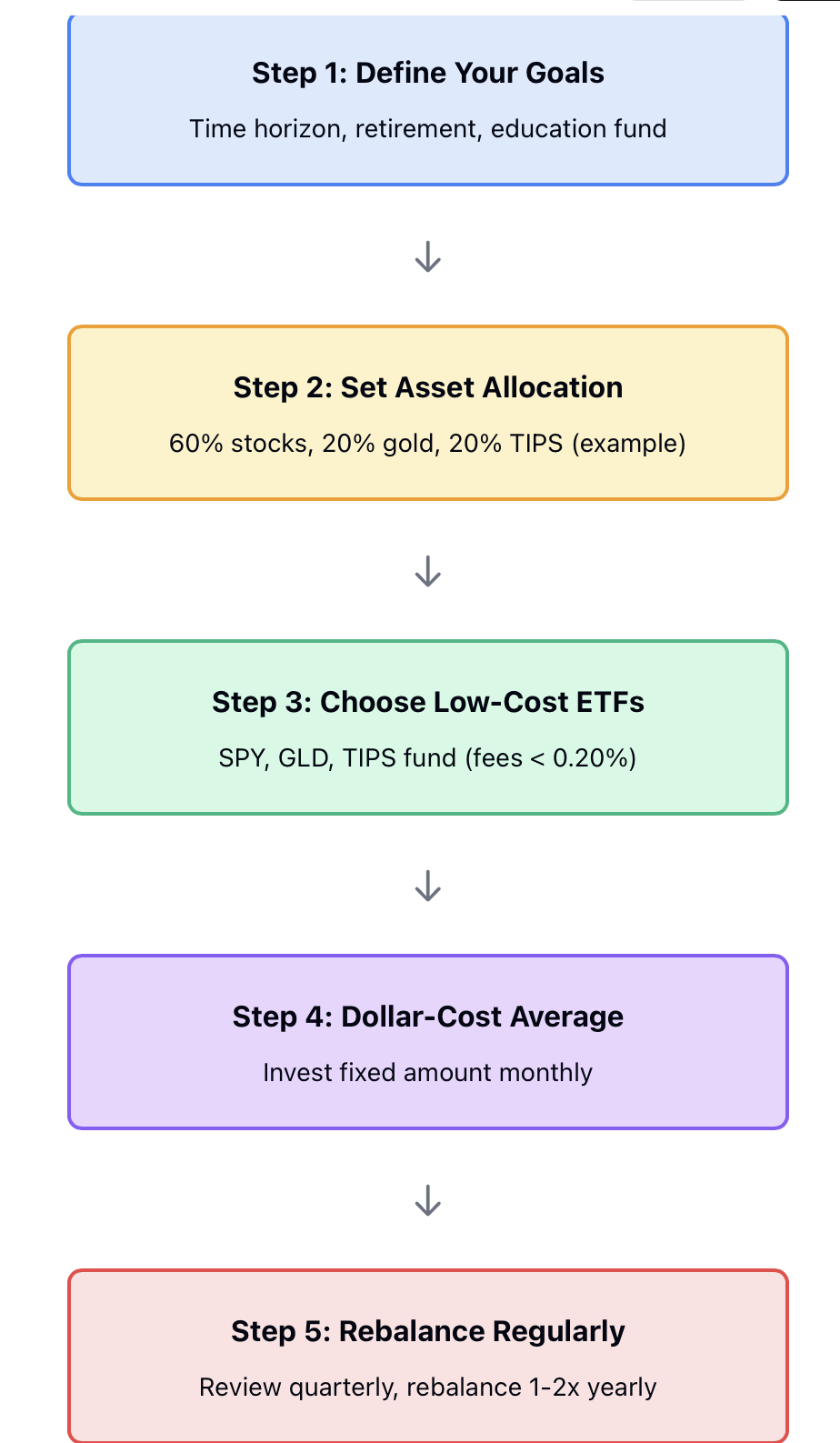
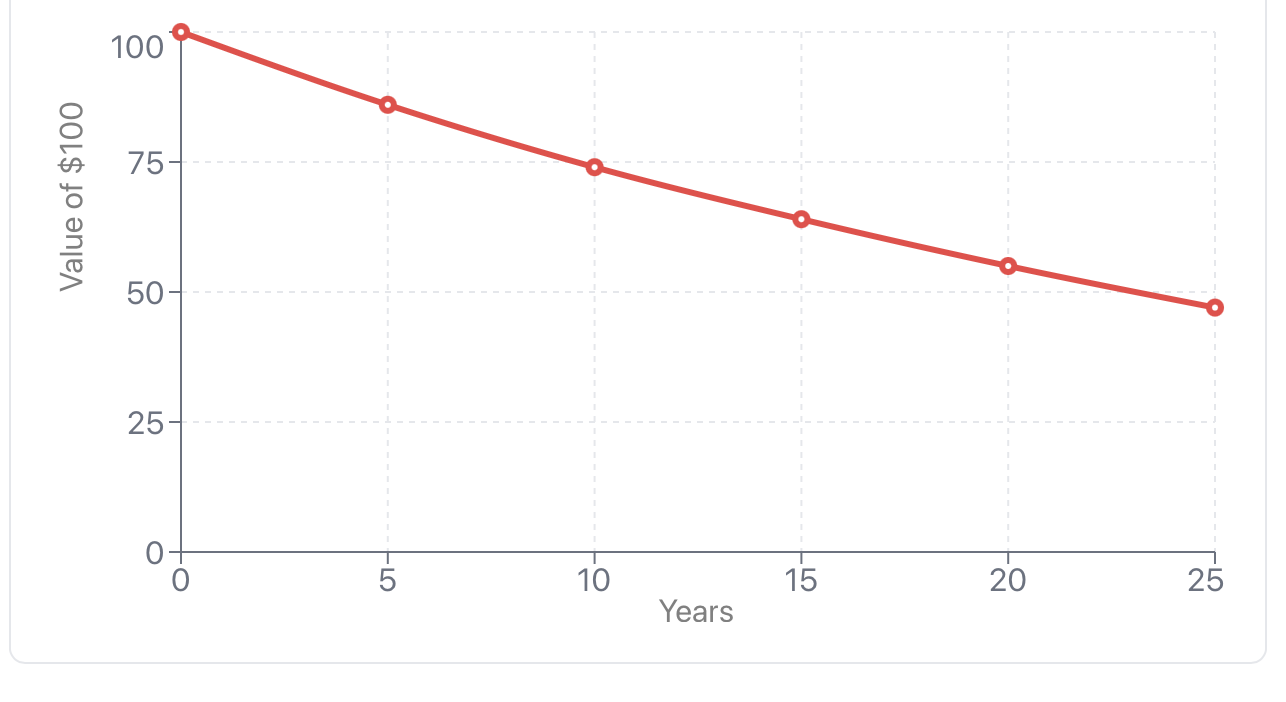
You don't need to be a financial expert to develop an inflation hedge strategy. You just need to know your objectives, have a reasonable allocation of assets, and be disciplined enough to stick to the plan when the markets get ugly. To start, decide exactly what you are trying to protect. Are you saving for a retirement that is 30 years away? Are you building a college fund for your children? This matters because inflation is compounded over decades. Inflation at a 3% annual rate will cut purchasing power in half very roughly in 24 years. The strategy you design should effectively account for your time horizon.
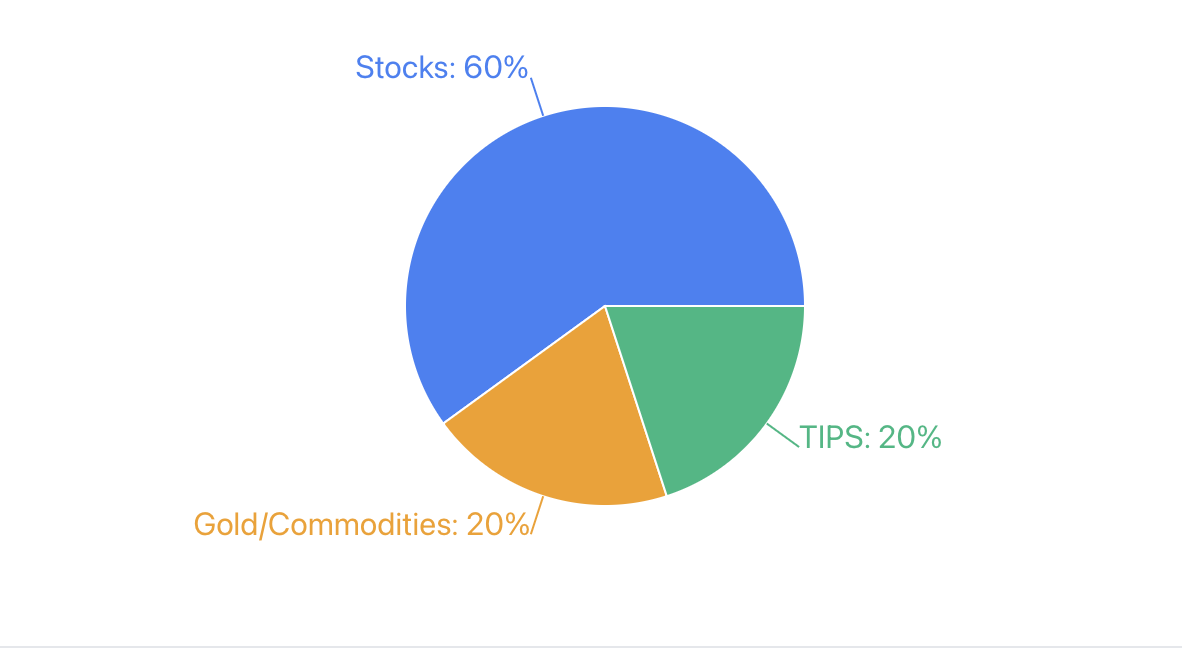
The foundation is asset allocation. A simple inflation hedge portfolio might be 60% stocks, 20% commodities/gold, and 20% inflation protected bonds. The stocks give you a good growth opportunity, the gold provides insurance from the loss of purchasing power in a depreciating fiat currency environment, and TIPS provide a government-backed adjustment for inflation.
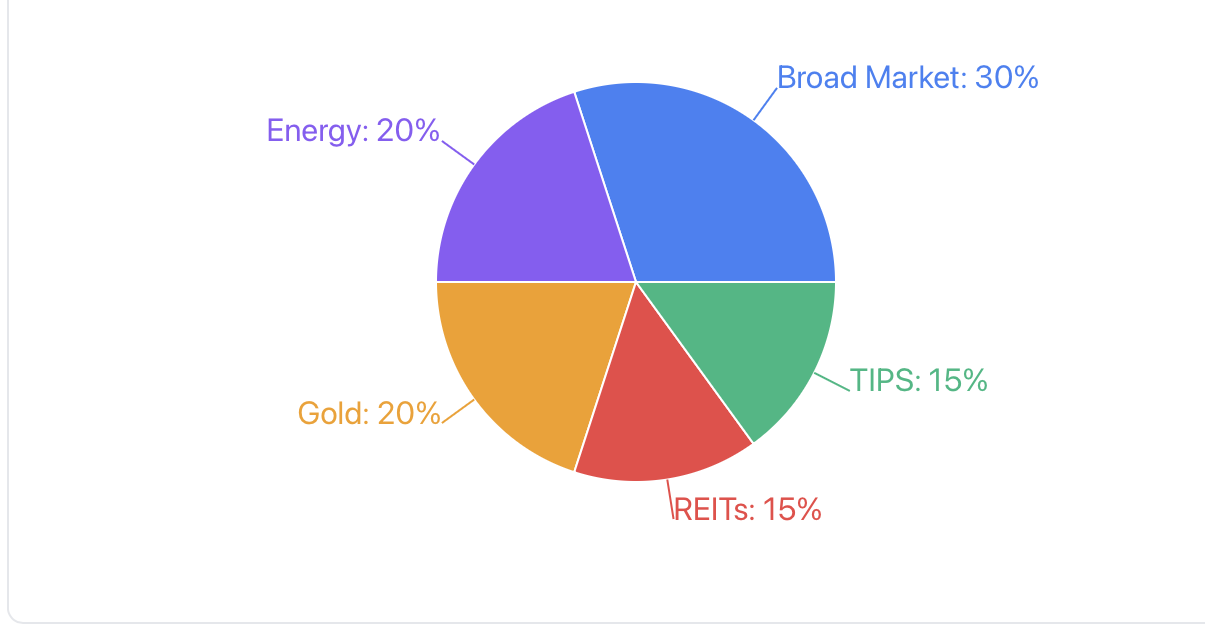
Professional investors may take it a step further and have allocations to sectors. For example, you could allocate 30% to the broad market (using something like: SPY) 20% to energy (using something like VDE), 20% to gold (using something like GLD), 15% to REITs (using something like Vanguard's REIT ETF), 15% to TIPS. A diversified portfolio should reduce the risk of relying solely on asset classes to perform.
Dollar-cost averaging (DCA) alleviates the stress of timing the market. Instead of putting all your investment dollars to work at the right possible moment, you will invest a fixed amount of money on a regular basis. Every month, buy $100 worth of your two or three selected ETFs regardless of their price. When the price of your ETFs drops, that $100 will buy more shares than it would when the markets rise. When the price of your ETF rises, you will end up purchasing fewer shares than the previous month, but your existing investments will rise as well. By dollar-cost averaging, those price fluctuations ultimately help smooth out the volatility of your ETFs while systematically building your position by investing over time.
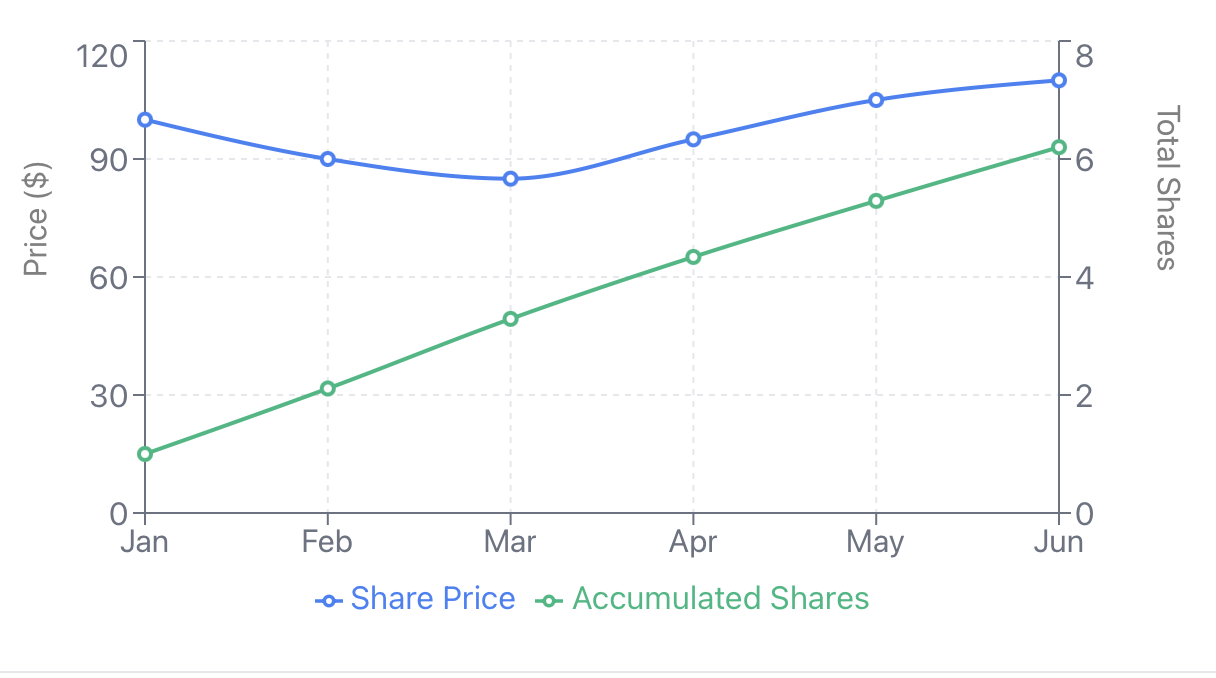
As an example, you have $1,200 set aside to invest this year or an average of $100 a month to buy ETFs. You would allocate, say, 50% to an S&P 500 ETF and 50% into gold. You are not stressed about making difficult portfolio decisions or watching charts each day. You are just checking it off your list and developing a good habit while allowing time to do the work.
Above all, therefore, it is necessary to have a flexible approach built into your strategy. For example, if for some strange reason the inflation reading showed inflation at 5% or more and stayed elevated for three-reports or more, it might cause you to tilt your allocations more heavily toward commodities and gold. On the opposite end, if inflation continues to show tame reads and remained constant at around 2%, you might want to increase stock exposure and take advantage of higher growth potential. Regardless of the direction of inflation, rebalancing your portfolio in accordance to the targeted allocation once or twice a year helps maintain the percentage allocation.
This is the point where discipline pulls away the successful long-term investor from everyone else. Markets will swing. Gold could fall behind for years. Energy stocks could tumble when the price of oil plummets. Your portfolio will drop in value sometimes. This is the point where most will panic and sell—at the wrong time, of course.
Stick with the plan. The whole point of diversification is to have different asset classes that perform well in different phases. When stocks are dragging from high inflation, gold usually fills the gap. When inflation subsides and growth returns, stocks will usually lead the way. You want both in your corner.
You can track your portfolio, but don't track it every day. Check it once a quarter, and then rebalance if the allocations stray far off target. Beyond that, reallocate only if life changes or if your perspective on inflation fundamentally alters. The tortoise beats the hare when it comes to investing to hedge inflation.
Choosing the Right Tools
Not every inflation-hedge investment acts similarly. Knowing what is available will help you build a portfolio that aligns with your risk tolerance and investing preference.
Stocks and index funds have the most growth potential while also being volatile. For almost every 20-year time period in its history, the S&P 500 has outstripped inflation. When inflation rises and prices increase, companies will have the ability to protect their profit margins. There are index funds available (like SPY) that will give you exposure without having to bet on individual companies. They are generally low-cost (particularly when under 0.10%) and quite liquid.
There are specific ETF's that target inflation drivers, such as commodities. Gold is the traditional hedge in this example. SPDR Gold Shares (GLD) tracks the price of gold minus a small additional management fee. Energy ETFs, like Vanguard Energy ETF (VDE), invest in companies responsible for energy production such as oil, gas, and alternative energy sources. If energy prices move upward, these investments usually follow. There are agricultural commodity funds that dive into crops and livestock, but this asset class is generally more volatile and less widely used in terms of being a core inflation hedge.
Treasury Inflation-Protected Securities (TIPS) provide inflation protection backed by the government. The principal adjusts with regards to the Consumer Price Index, meaning that if inflation increases by 3%, the face value of the bond also increases by 3%. You can purchase individual TIPS bonds, or a TIPS-related ETF like the iShares TIPS Bond ETF. The trade-off with TIPS is a diminishing yield need to be accepted for the inflation protection the TIPS also provides.
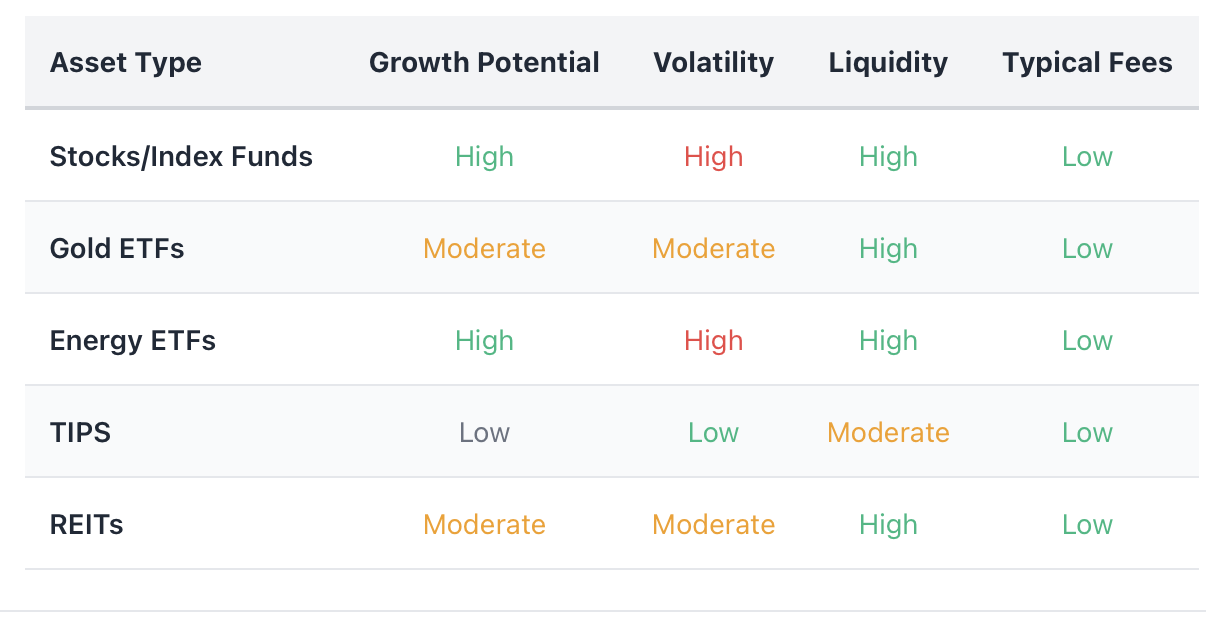
A Real Estate Investment Trust (REIT) operates and owns income-producing properties. Along with commercial and residential properties, generally the re-instatement of rents and values of the properties also increase with inflation which make REITs natural inflation hedges. For example, the Vanguard REIT ETF provides in diversified real estate exposure to commercial, residential, and specialized properties. In fact, REITs have laws making them distribute 90% of taxable income as dividends, with meaning that they provide income production and potential capital appreciation.
Each of these instruments is unique. Stocks can be considered the highest gloves with the highest upside growth potential, but the downside can be a 20-30% drop in markets. Gold can stabilize the portfolio during periods of crisis, but can fall flat for years during times of order. TIPS bonds provide safety (without much upside), and REITs can provide income exposure if rates fall.
Fees are more important than you think. A 1% per year fee doesn't sound like much until you realize it might cost you hundreds of thousands over a 40-year horizon. Stick to low-cost ETFs from reputable firms. Vanguard, iShares and SPDR funds typically have expenses of less than 0.20% a year.
Liquidity also varies. Well-known ETFs like the SPY or the GLD will trade millions of shares every day. So not only can you buy or sell them instantly, the bid-ask spreads will be very tight. Smaller or more specialized funds will have less volume, and therefore if you need to trade them, you will pay more in bid-ask spreads.
For many investors, a core portfolio built from broad stock index funds (SPY), GLD (gold), and TIPS (inflation protection), is a straightforward way to maintain inflation protection without too much complexity. You could simply add energy (VDE) or REITs if you wanted to diversify more, but keep it simple enough that you can stick to it long-term.
Inflation Hedge vs. Regular Investing
Should I focus on inflation hedge strategies or on standard growth investing? The answer is relative to your goals, timeline, and risk tolerance.
Regular investing efforts are simply to chase returns. Potentially you could focus on escaping with high-growth technology stocks, emerging markets, or aggressive sector positions. The objective is to maximize returns and inflation protection isn't a top priority. This style works great in low-inflationary times with robust economic growth. The wealth accumulation power of investments can grow very quickly, even if inflation is modest the damage to your purchasing power is minimal.
Inflation hedge investing is all about preservation. You are first focusing on making sure your wealth keeps its real value and then possibly capturing some nominal growth. This is even more important as you age and/or when inflation running hot. Someone who is 25 years from their projected retirement has plenty of time to make up for spikes in inflation. Someone projected to retire, however, in 5 years will not.
Risk tolerance is an additional consideration. An aggressive investor with risk tolerance in a 30-40% swing in their portfolio could shift a lot to growth stocks and worry about inflation later. A more conservative investor approaching retirement most likely will want to stick to more stable options like gold, TIPS, and dividend-paying equities.
You must also consider the market environment. If inflation is near the Federal Reserve's 2% target, and the economy is doing okay, growth stocks usually outperform defensive inflation hedges. If inflation stays around 5-8%, as we've seen recently, then suddenly those "mundane" gold and energy positions look like portfolio superstars, and growth stocks tend to falter.
Institutional investors cut allocations based on inflation expectations. In the inflation spike of 2021-2023, many large institutional investors bought new positions in commodities, energy, and real assets, even while reducing the number of positions in growth stock exposure. They weren't getting rid of growth stocks; they were simply acknowledging that protecting their purchasing power was going to require more defensively positioned assets.
A high school student putting up their first $500 to invest faces a very different decision-making scenario than a 60-year-old with a $2M dollar investment portfolio. The student has a long time horizon to allow for risks associated with low returns and inflation to dissipate through the compound growth potential. They could put all of the money in an S&P 500 fund and go do something else with their life. The retiree focuses on income and preservation. They are likely to have to split their investment dollar into dividend-paying stocks, bonds, gold, and real estate investment trusts (REITs) to meet their balanced risk-reward ratios.
There is no correct way to answer this question. Most investors will be a mix of both, holding core positions in low-cost, broad-based indexes for growth, and adding some gold, commodities, and TIPS for portfolio insurance. Something like 70 percent would go towards growth through stocks, and the other 30 would strictly be focused on inflation protection. In up markets, you will capture the upside, and when inflation does flare, you limit your downside.
The most important aspect is using the chosen strategy with the circumstances. If you are younger with a very high risk tolerance with a long time horizon, then you would weight more towards growth. If you are older, more conservative, or facing very high inflation, then you would weight more towards hedges. In most scenarios, people will benefit from using both approaches and continually adjusting as life situations and/or the economic environment evolve.
Real-World Performance
The theory sounds fine in preparation for inflation hedges, but what does history suggest about real performance? Historical comparisons offer an opportunity to look at the promise and pitfalls of different inflation hedges.
During the inflation crisis of the 1970's, gold absolutely crushed the performance of almost every other investment asset. From 1971 to 1980, gold went from $35 to over $800 per ounce. Investors who held gold not only maintained their purchasing power, but achieved significant real gains. The S&P 500 on the other hand struggled during the 1970's, as stagflation (high inflation combined with low growth) hurt corporate profits. The S&P 500 return was meager adjusted for inflation.
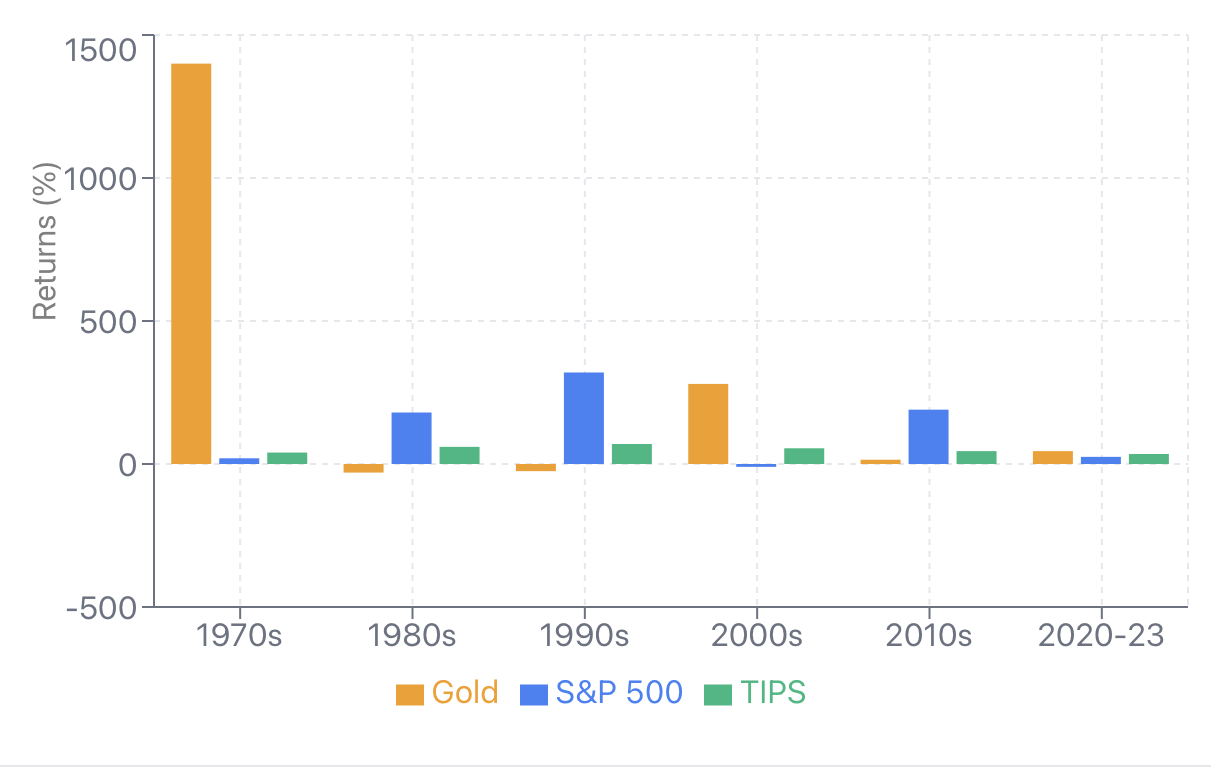
Fast forward to the 2000's and 2010's for a different outcome. Gold went from a peak in 2011 at around $1,900, retracing lower for several years. After the 2008 financial crisis, the S&P 500 stocks performed remarkably well. An investor who swapped their stocks for gold would have missed meaningful gains in their investment.
The period of 2020-2023 offers another case study. Inflation soared to forty year highs reaching 9% in the summer of 2022. Energy stocks skyrocketed higher, corresponding with increased oil and gas prices. Vanguard Energy ETF gained over 50% in 2022 alone. Gold crept higher and provided modest protection. TIPS had a benefit under the inflation adjustments. Growth stocks and long duration bonds collapsed.
Examining 20-year rolling periods presents the most comprehensive story—the S&P has outperformed inflation by about 6-7% annualized for almost every 20 year period. Gold's record is uneven—gold crushes in the bad decades, and doesn't do as well in the good decades. The message: stocks tend to perform very well in the long run as inflation hedges and gold and commodities, especially gold, offer helpful insurance when stocks stop going up.
The blended approach wins in almost every market. If you invested $10,000 in 2000 split 60% stocks, 20% gold and 20% TIPS, your would have increased your portfolio significantly in real terms, and with less volatility than steady stocks through 2 market crashes, inflation scares, and everything in between. The diversification worked.
Markets similarly produce similar behavior. European stocks did well in low inflation decades. Stocks got Japanese investors good lessons on deflation eroding stock values. Emerging markets are volatile growth with inflation. But the universal truth is that combining myriad inflation hedging positions provides reliable long-term inflation protection than a singular position strategy.
When you employ dollar-cost averaging into the equation, the upside is enhanced. An investor contributing $500 a month into a balanced mix of investments from 2000 until 2024 would've bought shares at a better price during downturns of the market and would've accumulated a significant amount of wealth despite experiencing a range of crises. By contributing each month, the investor was forced to buy during times when prices were low, producing enhancements to the long-term return.
FAQ: Your Inflation Hedge Questions Answered
Who should think about using inflation hedge strategies? Anyone with investments that are expected to run for over five years should think about inflation protection. Young investors may want to emphasize growth while getting some inflation hedge exposure. Pre-retirees and retirees should look for more inflation hedge protection because they have less time to recover from declining purchasing power.
Do stocks really protect against inflation? Yes, over longer periods of time. When costs increase companies tend to raise their prices that increase revenue and protect their profit margins. If you own stocks, you're essentially owning claims to real produced assets that tend to preserve their value better than cash. Short-term, stocks may not work against surprise inflation, but over ten to twenty years, returns have typically been strong enough to easily out pace inflation.
When am I likely to see the rewards of this type of investment? Investors will need to show patience to watch how inflation hedge investing works out. In low-inflation environments, it may be years before you see any appreciable benefit. However, when inflation spikes, you will be glad that you had exposure to gold, commodities, or TIPS that retain value when other asset classes are losing it. Think decades, not months.
Will I be constantly changing my asset allocation? No. You should rebalance your portfolio once or twice a year in order to arrive at the desired allocations. If enough changes for inflation conditions, then perhaps change a little. Otherwise, stay the course. Excess trading is costly relative to fees, and taxes, and rarely generates superior results.
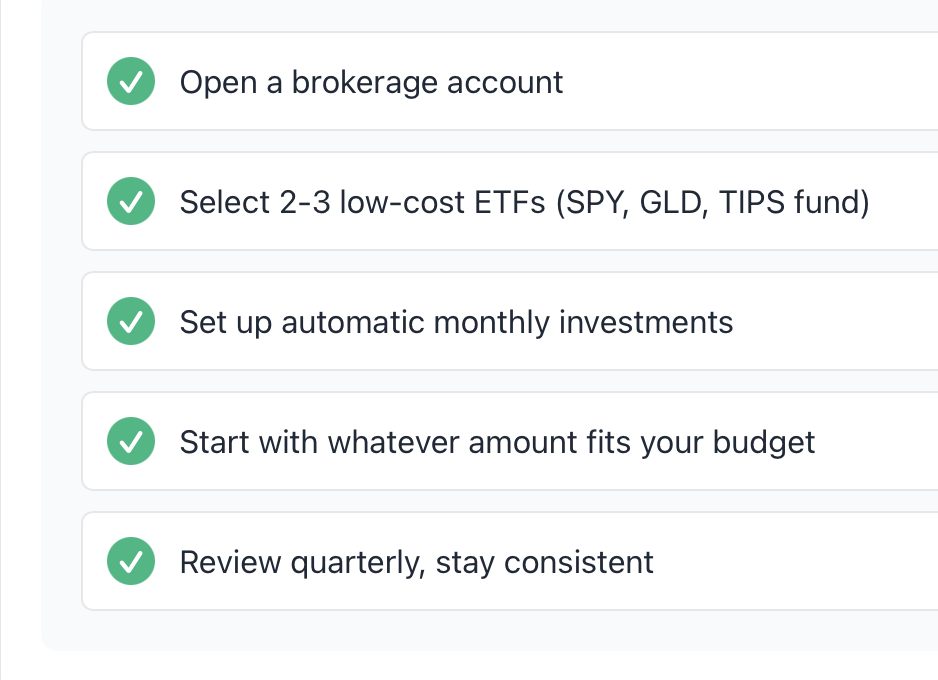
What are the steps that a beginner might take? Open a brokerage account, select for at least 2 to 3 low-cost ETFs that cover 2 to 3 different types of inflation hedge assets (for example, SPY, GLD, and a TIPS fund), then initiate automatic monthly investments. This can be done with whatever dollar amount works for your budget. Consistency is more important than how much you invest.
Protect Your Wealth for the Long Haul
Investing as a hedge against inflation is not complex but requires discipline and a longer timeframe. You are not trying to anticipate next month's inflation report or find the perfect entry point. You are simply developing a portfolio that is resilient enough to maintain purchasing power regardless of economic circumstances.
The principle remains fairly simple: diversify across various asset classes which have historically protected value during times of inflation, invest on a recurring basis through dollar cost averaging, and stick to your process in markets that oscillate. Stocks are your growth component, gold serves as insurance during crises, commodities follow the rising prices, and TIPS provide guaranteed inflation adjustments.
While high-risk speculation and short-term trading might provide exciting stories, they do not - and I would argue, rarely can - build long-term wealth. Steady, patient accumulation of quality inflation hedge assets does the boring work of compounding your money in real terms over decades.
Begin where you are and with what you have. Even if you can just invest monthly in a small dollar figure into a diversified basket of index funds, gold, and inflation protected bonds, you are doing better than those who ignore inflation altogether. The deterioration of purchasing power happens slowly, making it easy to disregard until irreversible damage has been done.
Ready to put these strategies into action? Tradewill's demo trading platform lets you test inflation hedge approaches risk-free and explore comprehensive learning resources designed for investors at every level. Start building your wealth protection plan today.
Disclaimer: The content of the blog does not represent any position of Trade W, does not serve as any trading-related decision advice, and does not endorse any third-party.