
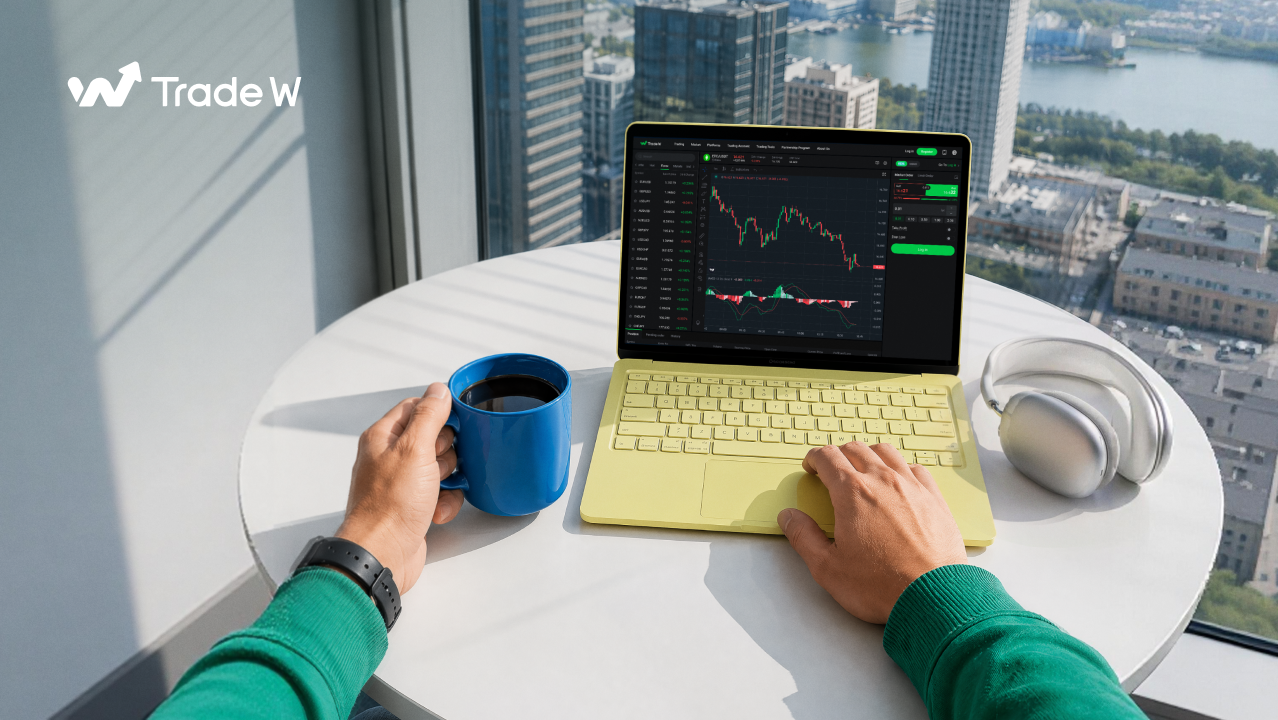
Technology and global events are reshaping how markets move, raising a simple question: should trading hours still have limits? Longer access offers flexibility across weekends when global participants need faster responses to rapidly developing events. However, market quality remains central because availability alone cannot guarantee liquidity, orderly execution, or risk management.
The Weekend Trading Trend Is Reshaping Market Access
Extended trading is a reflection of the need for quicker reactions to material received outside of standard trading hours. Crypto exchanges have 24/7 trading, whereas foreign exchange trading has a daily schedule, and most of the days are open. Equity and futures exchanges are looking at longer schedules, meanwhile, while electronic infrastructure moves up and down the length of markets worldwide. Recent discussions also centre on weekend access, as there is the possibility of major events happening during market closures.
Exchange calendars are not relevant to policy announcements, geopolitical developments, company news, or financial disruptions. This can make it difficult for traders to make timely adjustments to their trades once information shifts expectations. Subsequently, this potentially causes them to hold onto their positions after they no longer align with the new information. Longer operating hours also require clearing, settlement, custody, maintenance, and regulatory oversight to remain coordinated. The trend also reflects broader changes in the infrastructure supporting global market participation. Digital systems have reduced the need for physical trading floors, paper records, and localized operations.
Why Markets Are Moving Toward 24/7 and Weekend Access
Retail demand remains one factor behind the movement toward broader trading access. Investors increasingly receive news instantly and expect digital services beyond conventional business hours. As a result, closed markets can appear disconnected from information circulating across time zones and weekends. An RWA-focused platform also argued that 24/7 markets could emerge as banks upgrade the accounting and ledger infrastructure supporting financial markets. Crypto trading also provides a working example of markets operating without daily or weekend closures. Prices can react when information appears, rather than waiting for another session to begin. Foreign exchange offers another comparison because it already trades across long global sessions each working week. Yet it still closes for weekends, showing electronic trading does not remove every operational constraint. Settlement processes and supporting infrastructure remain important considerations when extending activity beyond established schedules.
Futures markets already operate for lengthy periods in many contracts, especially during weekdays. Therefore, moving toward full weekend trading would often add fewer hours than headlines suggest. The main change would involve access during currently closed periods, particularly weekends and remaining weekday gaps.
Liquidity Remains Central During Extended Trading
The key issue for weekend trading is whether enough participants remain active during newly available hours. Liquidity depends on buyers and sellers participating, rather than simply on a trading platform remaining open. Consequently, longer schedules can create quiet periods where available access exceeds actual market activity. Lower activity can widen bid and ask spreads, while larger orders may move prices more easily. Market depth can also decline when fewer participants provide competing orders across different price levels. These conditions can make execution less predictable when traders react quickly after unexpected weekend developments. Overnight markets can also experience lower volume and weaker depth. Price discovery continues, but execution may become less efficient when participation falls. Therefore, continuous access requires careful attention to how market quality changes outside peak trading periods.
Furthermore, crypto markets demonstrate the same distinction between uptime and depth. Continuous trading removes the formal closing gap, but participation still varies across time zones.
News Can Move Markets Beyond Traditional Sessions
Although many of the financial markets open for business on Monday, global cycles of information will persist. Expectations can change at any time as a result of statements and decisions made by the central bank, cyber incidents, and geopolitical events. This means that weekend events can create delayed market reactions, with their effects becoming visible when regular markets reopen. Continuous access may make it possible for the prices to change as information becomes available rather than focusing reactions at reopening. However, the adjustment has to be smooth, and this depends on available liquidity and the participant’s specific needs.
Weekend trading may also benefit hedgers who experience varying risk levels outside of regular trading hours. There may be unexpected weather, supply, or global condition changes for businesses using derivatives. Access could allow them to respond earlier, provided sufficient liquidity is available. Meanwhile, increased speed may necessitate greater discipline on the part of market players. Increasing numbers of opportunities do not demand more frequent trading decisions. Order controls and position sizes are crucial in periods of low trading volume and volatility.
Infrastructure Faces a Continuous Operating Challenge
Extended trading changes the demands placed on exchanges, brokers, clearing systems, and supporting technology providers. Systems previously designed around predictable closures may need different approaches to maintenance and recovery. Consequently, organizations must consider how monitoring and operational processes function when available downtime becomes increasingly limited. Infrastructure discussions also include continuous security monitoring, incident response, and system resilience. A problem during an overnight period may require the same response standards as daytime events. Therefore, longer market access can increase pressure for dependable processes across staffing, technology, and coordinated support. Maintenance presents another challenge because traditional closed windows can provide time for upgrades and testing. When trading continues for longer periods, organizations may need smaller changes and carefully planned procedures. Recovery testing may also require approaches that avoid relying on broad periods when markets are inactive. Human resources remain part of the infrastructure question as well.
Teams may need broader coverage across time zones or revised operating models. Extending schedules without planning can create fatigue, slower decisions, and weaker responses during technical incidents.
Trade W Fits the Need for Informed Market Monitoring
Trade W is relevant because longer access increases the need for continuous market awareness. Its digital trading environment supports users who need to monitor changing market conditions and manage positions across flexible trading schedules. This need becomes more visible when important information arrives outside traditional sessions. As markets expand access, users may need tools supporting timely monitoring and consistent risk awareness. However, such tools do not remove risks created by thin liquidity or sudden price movements. Users still need to consider order execution, position exposure, and changing conditions during off-peak trading periods. The wider shift therefore creates an organizational need for systems operating across extended hours.
Market participants may increasingly require reliable access to information and controls beyond standard daily sessions. Trade W fits this broader market structure without treating longer trading hours as a guaranteed advantage. This approach also keeps attention on risk management rather than constant activity. Extended access provides more opportunities to monitor and respond, but it does not require continuous participation. Market users can remain selective while using available tools to manage positions under their trading plans.
Risk Management Matters More During Quiet Periods
Weekend trading can create conditions that are different from the more hectic weekday day-trading periods. Nonetheless, it can create conditions that differ from regular weekday sessions. Traders therefore need to account for potentially faster price movements and less predictable execution. Although extended access has helped to alleviate some closure-related delays, price gaps remain a concern. But, when there’s limited liquidity, sudden news can still result in quick repricing. Under fast-changing prices and markets, stop orders and other controls might not work as intended. When market depth is not certain, position sizing becomes an even more crucial factor. Smaller positions can help limit the impact of sudden price movements when market conditions become unstable. Also, traders should take into account if planned exits can work efficiently during less volatile times.
Risk management also involves avoiding the assumption that more access creates necessary action. A structural change in market hours does not automatically create additional trading signals. Instead, participants can treat longer access as another condition requiring planning, awareness, and careful evaluation.
Weekend Trading Is a Structural Market Change
The move toward weekend and 24/7 access reflects rising expectations around how modern financial markets should operate. The global information flows today are going beyond the market hours, and technology is helping to enable longer operating schedules. As a consequence, exchanges and participants are questioning whether they have the right building blocks to align with today’s news cycle. Issues of regulation and operation will continue to be relevant as markets experiment with the increased level of access. Clearing and settlement, supervision and cybersecurity, and system resilience need to grow together with trading availability.
The change is not simply about extending trading hours; supporting systems must also be capable of operating effectively for longer periods. The future of weekend trading will therefore depend on how exchanges, brokers, clearing systems, and market participants adapt to longer operating periods.
Market quality will continue to depend on the number and diversity of participants active during those periods. Continuous monitoring can support informed decisions, while flexible trading hours can reduce waiting after major events. Execution quality and disciplined risk management will remain essential regardless of the schedule.
About Tradewill Group
Tradewill Global L.L.C. is a foreign exchange brokerage incorporated in Saint Vincent and the Grenadines under registration number 1365 L.L.C. 2021. Tradewill Global Limited operates under the regulatory framework of the Seychelles Financial Services Authority (FSA) and holds a Securities Dealer License under license number SD111. Both entities form part of the Tradewill Group and participate in the promotion and operation of the Trade W brand. Tradewill Financial Services L.L.C. S.O.C. ("Tradewill UAE"), registered in the United Arab Emirates under commercial license number 1601256 and holding UAE Capital Market Authority (CMA) Category 5 License number 20200000428, is authorized to conduct financial promotion and client introduction activities within the United Arab Emirates, supporting access to trading services offered by affiliated Tradewill Group entities. Tradewill UAE acts as an introducer only and does not execute trades or hold client funds.
Scan to discover Trade W.

Original Source: Investing
Peringatan: Isi dari blog ini tidak mewakili apapun dari Trade W, tidak berfungsi sebagai saran keputusan perdagangan, dan tidak mendukung pihak ketiga manapun.